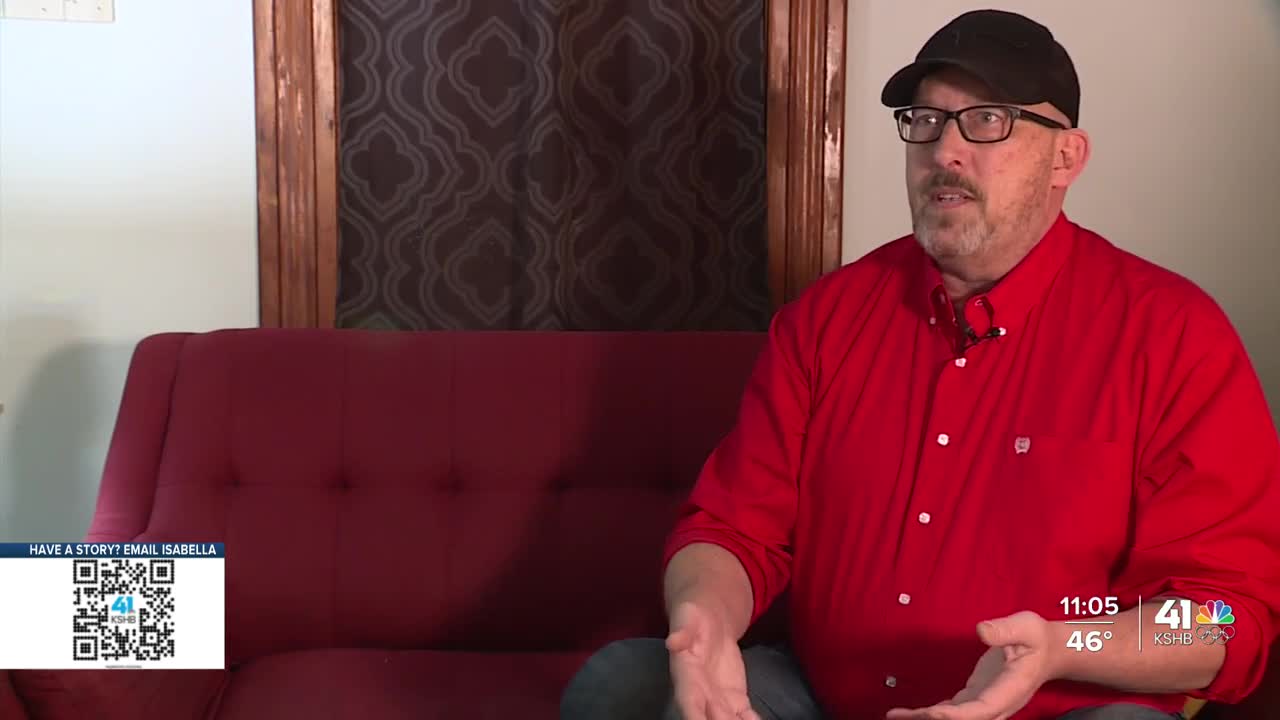


KANSAS CITY, Mo. — KSHB 41 reporter Isabella Ledonne reports on stories in Overland Park, Johnson County and topics about government accountability. A viewer reached out to Isabella while recovering from a 7-OH addiction after watching KSHB 41 News' investigative series, Strong High Weak Laws. This story takes an in-depth look at months of reporting and investigating 7-OH's impact in the metro. Share your story idea with Isabella.
—
A popular product on gas station and convenience store shelves could be going away this year.
However, 7-OH is still completely legal despite strong pushback from medical experts, government agencies and lawmakers.
The controversial product is marketed as a safer alternative to painkillers, as a way to help with harm reduction for those in active recovery, and as a source of euphoric relief.
But it's also more addictive and potent than morphine, with dozens of experts strongly warning against it.
As of now, it's completely unregulated in Missouri and Kansas. Since it hit the shelves about three years ago, 7-OH has produced billions of dollars in profits, according to the country's main producer of 7-OH.
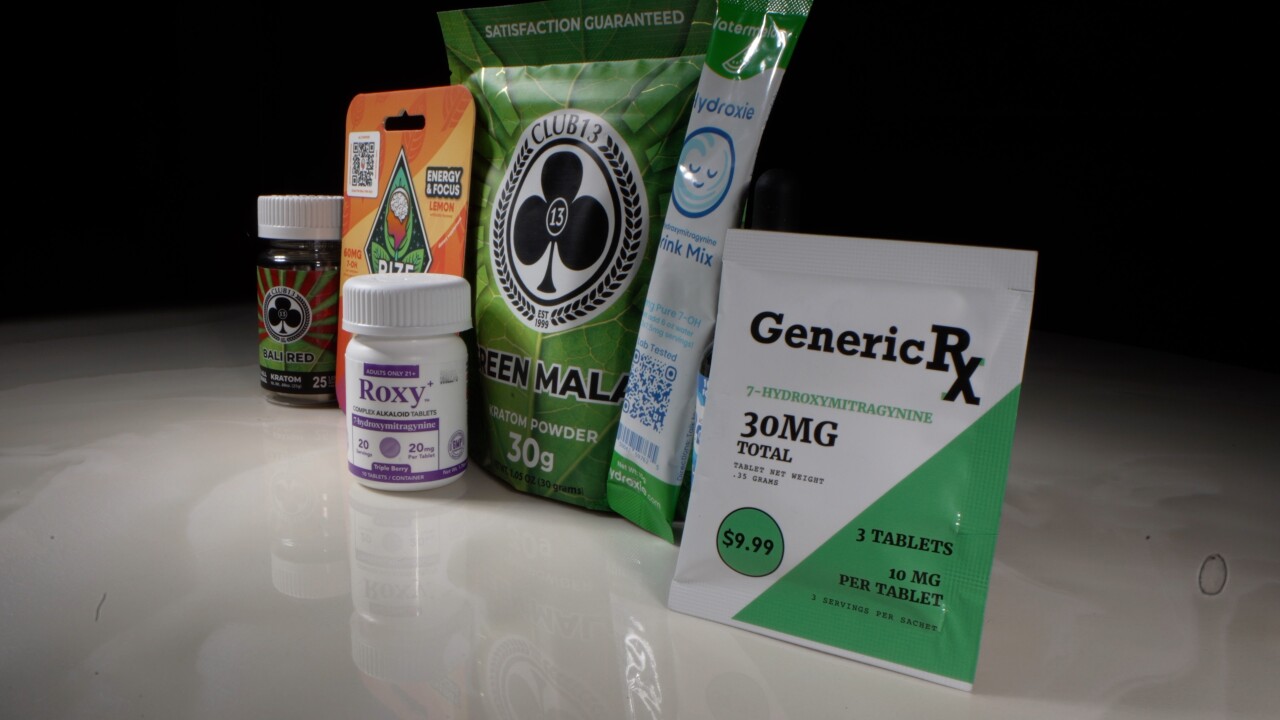
It doesn't look like what many would consider a dangerous drug, but that's why so many have used their voices to speak up about it.
In Strong High Weak Laws, KSHB 41's Isabella Ledonne has gone in-depth on recent regulation attempts, the voices of the manufacturers and why Kansas City is at the center of it all.
Kansas City man shares addiction story
Dwayne Whitmore has lived in Kansas City his whole life and dealt with chronic hip pain for much of it. He was looking for relief from the pain when he came across 7-OH last summer.

"I can't get painkillers from the doctor because I don't want to [be on them]," Whitmore said. "So I'm like, let me try this."
7-hydroxymitragynine, or 7-OH, can be found in gas stations and convenience stores all over the Kansas City metro. It can cost anywhere from $10 to $60 and is sold without any restrictions or regulations.
"It feels good, you know," Whitmore said. "But I don't want to say that to get somebody to go out and take it because that's what got me to take it."
But the feeling only lasts a few hours, sending some down a dark path to get that relief again.
"The way that it grabs you is so much faster than anything I've ever done before," Whitmore said. "It was three to five days, and I was fully addicted."
Whitmore spent 39 days in rehab at The Recovery Village in Raytown for a 7-OH addiction.

"Not only was I spending three grand a month on it, but I also couldn't go to sleep through the night without having to wake up and take it to get back to sleep," Whitmore said. "I would start withdrawing in two hours, full-blown withdrawals. That's when I knew that I was no longer in control."
Whitmore saw KSHB 41's series Strong High Weak Laws and reached out to reporter Isabella Ledonne while he was getting help for his addiction.
In this I-Team report, we're amplifying Whitmore's voice on how he got addicted to 7-OH, federal agencies sounding the alarm, the lawmakers who are working to ban the substance, and the creator of 7-OH, a Kansas City business owner who's produced half the country's supply while bringing in billions of dollars.
7-OH is a synthetic derivative of kratom
7-OH is an alkaloid naturally found in small amounts in the plant kratom.
Kratom hails from Southeast Asia, where it is traditionally used for herbal remedies and relief.
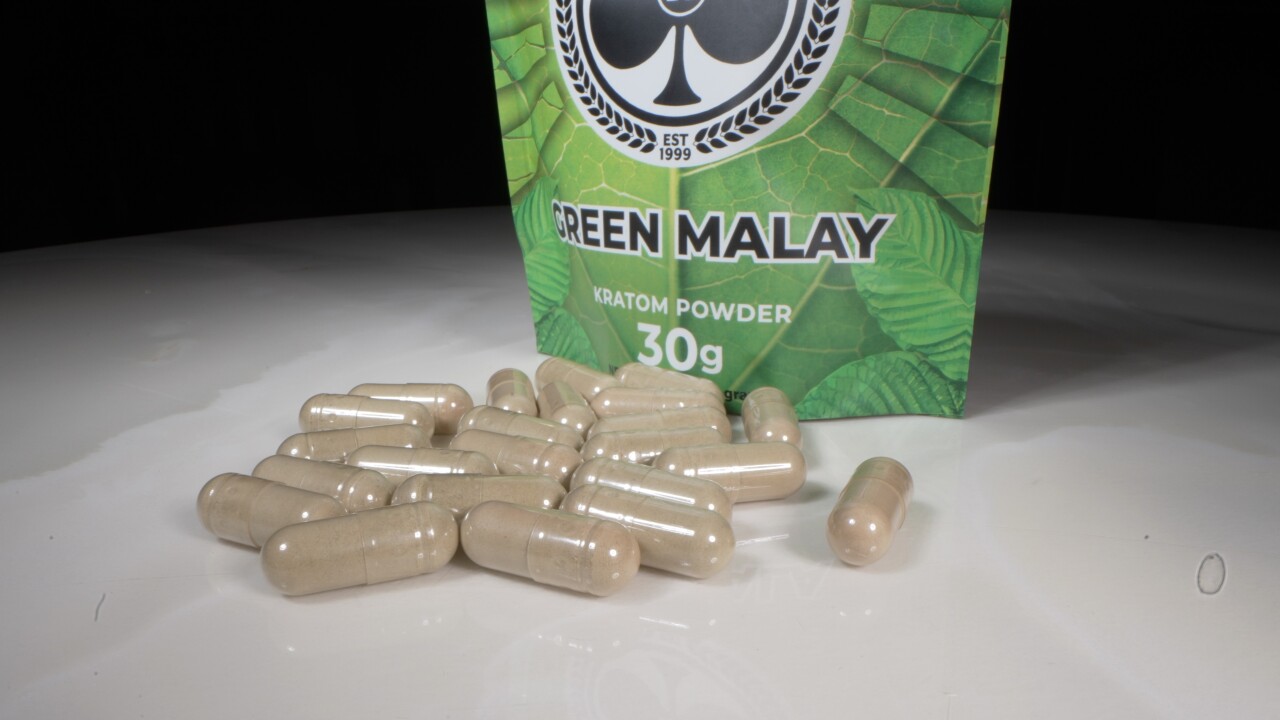
Kratom is also unregulated and unrestricted in Missouri and Kansas. Several states in the U.S. have taken steps to either regulate it or outright ban kratom and its synthetic derivatives.
7-OH, as it's sold in gas stations and convenience stores, is synthetically made in a lab in a more potent amount than what is naturally found in kratom. Health agencies report it's up to 13 times stronger than morphine.
"This is being made right here in Kansas City," Daniel Neill said.
Neill is the executive director of the Midwest High Intensity Drug Trafficking Area, a federal agency that tracks drug trends in regions across the country. The former DEA officer worries about the harm 7-OH brings to communities.

"[People] are able to buy this stuff freely," Neill said. "It's more potent and more powerful than some of the other drugs out there."
Its popularity in the metro has exploded. Billions of tablets have been sold over the counter since it hit shelves.
Many government reporting agencies don't distinguish between the use of kratom and synthetic 7-OH.
Missouri saw 47 calls to poison control from January to October 2025 for kratom and 7-OH. According to records from Johnson County, Kansas, there were four calls to EMS for kratom or 7-OH overdose.
Kansas City, Missouri, reported one death in connection with 7-OH. In Johnson County, Kansas, there were eight poly-substance deaths in 2025 in which 7-OH or mitragynine was involved, according to records obtained by KSHB 41 News.
"Is that a risk that we're willing to take, not having any regulation or oversight?" said Dr. Brian Barash, chief medical officer at The Recovery Village. "All the classic withdrawal symptoms that we see with things like morphine and fentanyl, we see with kratom and 7-OH."
Investigations into 7-OH and attempts to ban it
Missouri's attorney general launched an investigation into kratom and 7-OH manufacturers in November.

"The public is not aware of how dangerous it is," Attorney General Catherine Hanaway said. "Depending on the level of how intentional this deception was, the degree to which the deception was and had an impact on Missourians, there is the potential for criminal charges."
Missouri state leaders are taking steps to regulate it in the state.
A Missouri Senate bill proposes to schedule synthetic 7-OH as a Schedule I substance, the same category as heroin. A similar bill currently making its way through the Missouri House proposes to establish the Kratom Consumer Protection Act, which would make it illegal to sell any product containing high amounts of 7-OH not naturally found in the kratom plant.
"Those are things that should absolutely be regulated," said Speaker of the House Jon Patterson (R-Lee's Summit). "That's a priority for us this year as well."
Kansas City, Missouri's mayor proposed to take it one step further, introducing an outright ban on kratom, 7-OH and cannabinoids.
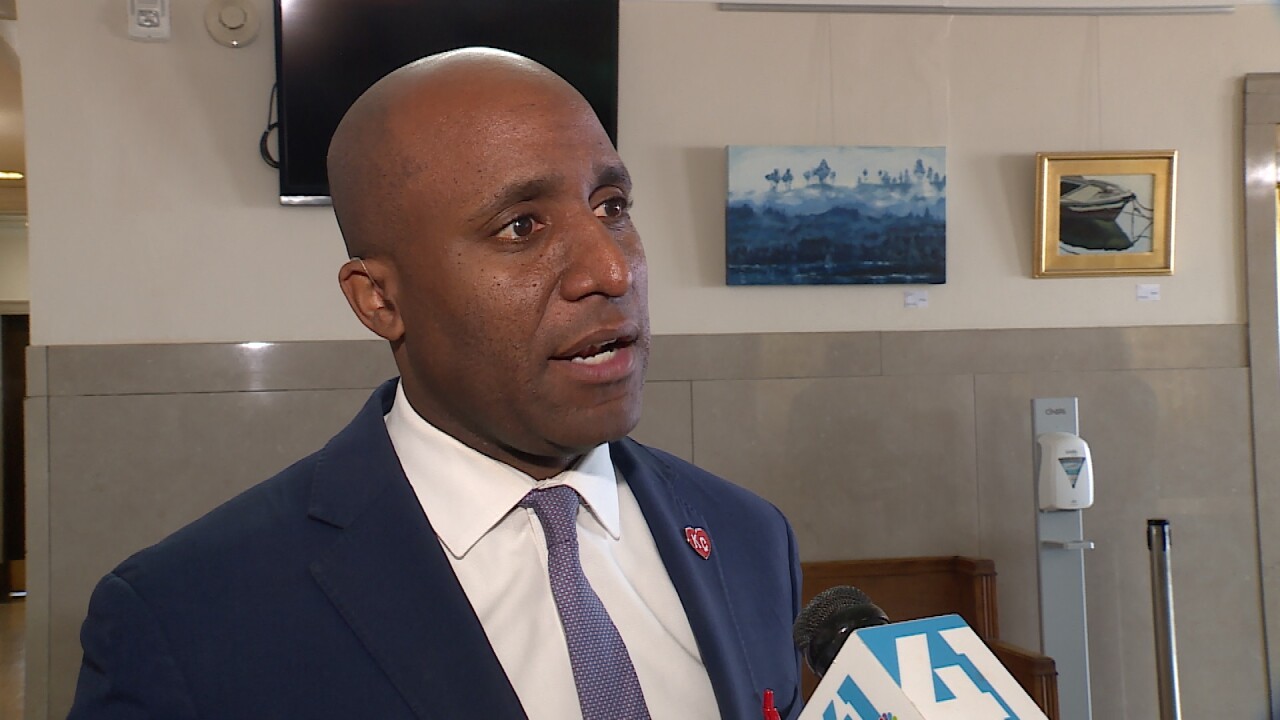
"How can we best keep people safe?" Mayor Quinton Lucas said. "The blanket ban is something that makes it a little clearer in terms of black and white from our own enforcement side."
The FDA announced in August 2025 that it would be taking steps back to schedule and regulate 7-OH in the United States.
AG Hanaway's investigation is ongoing. Despite being introduced two months ago, Kansas City's proposed ban ordinance has not reached full council for approval.
The FDA has not released any updates regarding scheduling 7-OH.
7-OH Kansas City creator speaks out amid investigations and controversial reports
Three years ago, American Shaman learned how to produce 7-OH in a pure tablet form at a much higher concentration.
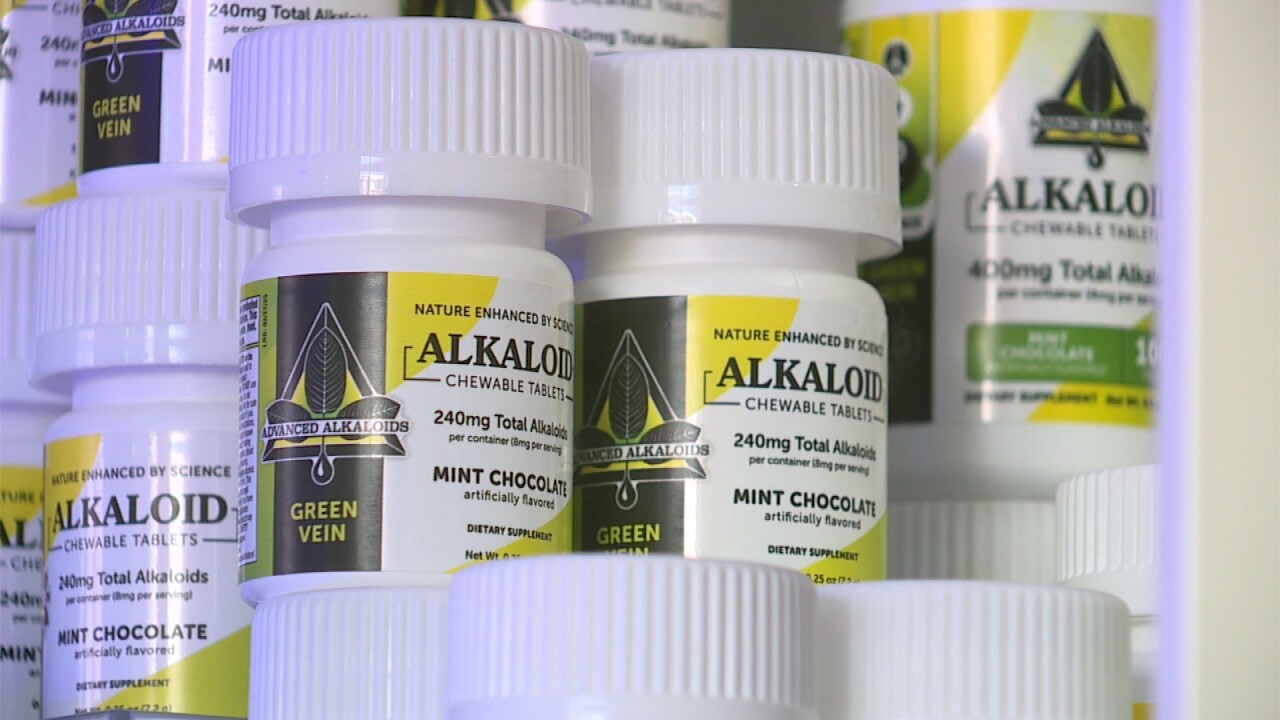
Despite the numerous warnings from health officials, state leaders and addiction prevention advocates, creator Vince Sanders stands by his products.
"We did an addiction study with the beagles, and we didn't see anything," Sanders said.
"So 7-OH hasn't had any human trials for regulations or anything like that?" Ledonne asked Sanders.

"That is correct," Sanders responded. "The human trials have been people choosing to use it."
The FDA sent Sanders a warning letter in July to stop sales, as 7-OH is not FDA-approved or approved for use as a dietary supplement. Sanders continued to sell the product and manufacture it for half of the country's 7-OH retailers.
"I'm going to fight it to the bitter end," Sanders said. "That's how much I believe in [7-OH]."
In the midst of several civil lawsuits against American Shaman, the FDA seized more than 73,000 synthetic products from the Kansas City warehouses.
"It's really a matter of properly using this product and using it the way that the label would indicate," Sanders said. "As long as you do that, you just don't see any problems."

Sanders and American Shaman filed a motion to dismiss the FDA's seizure, claiming it was on unjust grounds. The federal case is still active and ongoing.
"If the hope is that it slows [business] down, it does just the opposite," Sanders said.
Impact on addiction centers and Kansas Citians
American Shaman doesn't just sell 7-OH at its storefronts; it creates products for more than half of the country's 7-OH sellers.
As profits soar, so do the number of people seeking addiction help. The Recovery Village, where Whitmore was receiving treatment, has taken in dozens of patients over the last year for 7-OH addiction.

"Don't we have an obligation to protect our children, our young people and our adults who are spending countless thousands of dollars on a substance that isn't ever going to get them off the substance?" Dr. Brian Barash said. "It's something that we've had to deal with, and until they close the loophole, we're going to continue to deal with it."
Healing House KC has also seen dozens of people misusing 7-OH, seeking help.
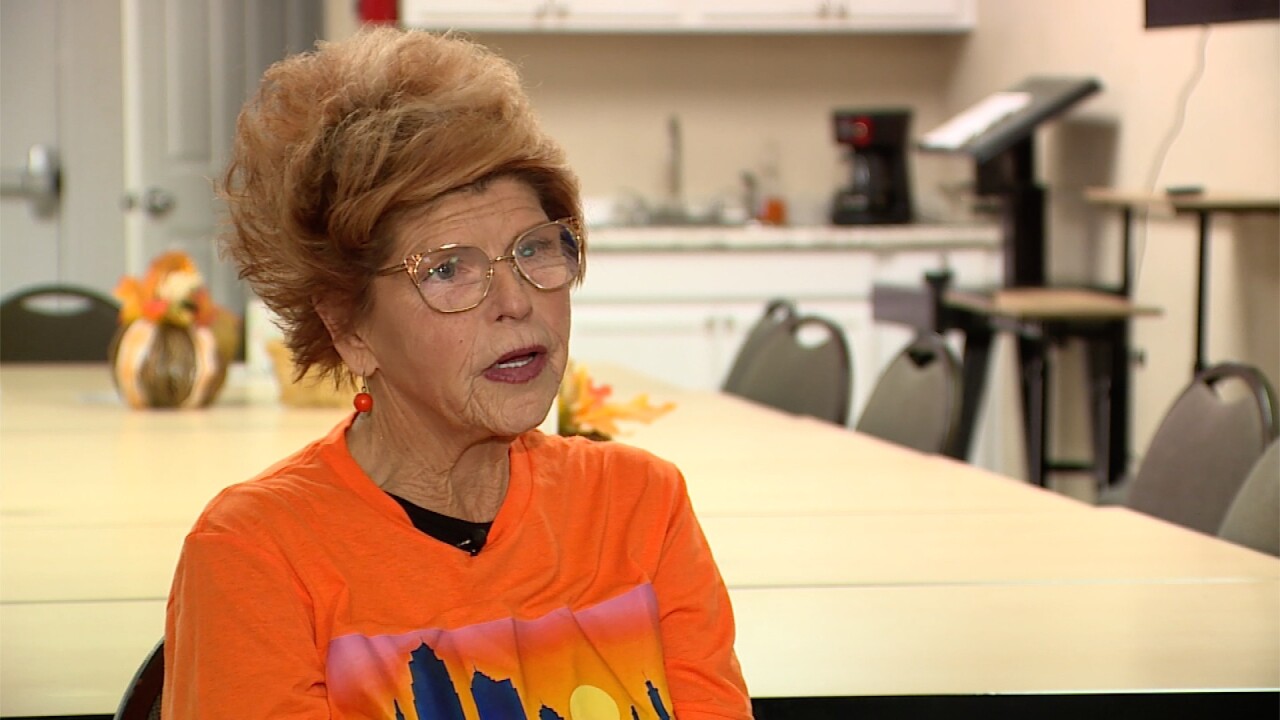
"You are making money off people's tragedies, and it needs to stop," said Bobbi-Jo Reed, Healing House founder and director. "For something to be so freely distributed in our community breaks my heart. Because guess what? We get the disaster. We get the person that is so broken they don't feel that they can go on."
Widespread misuse has led many to coin 7-OH with a new name: gas station heroin.

"I wouldn't be able to tell the difference between someone being on fentanyl and someone being on 7-OH," said Joey Thomas, Healing House recovery housing manager. "How come I can go buy Gatorade at the same place I can buy something that can get me high?"
That's how Whitmore bought his first high.
"You buy it at a gas station," Whitmore said. "Surely, the FDA and the government knows, right? Surely, they're there to protect me. That's what I thought, anyway."
Now in active recovery for two months, Whitmore is working to rebuild his life.
"I lost a job over [7-OH addiction]," Whitmore said. "I actually had a really good job. I wasn't even reliable to myself, much less a company."
What started as an easy, over-the-counter fix has led to a months-long recovery journey. It's impacted everyday life, from sleep patterns to even trying to take prescribed medicine for pain.
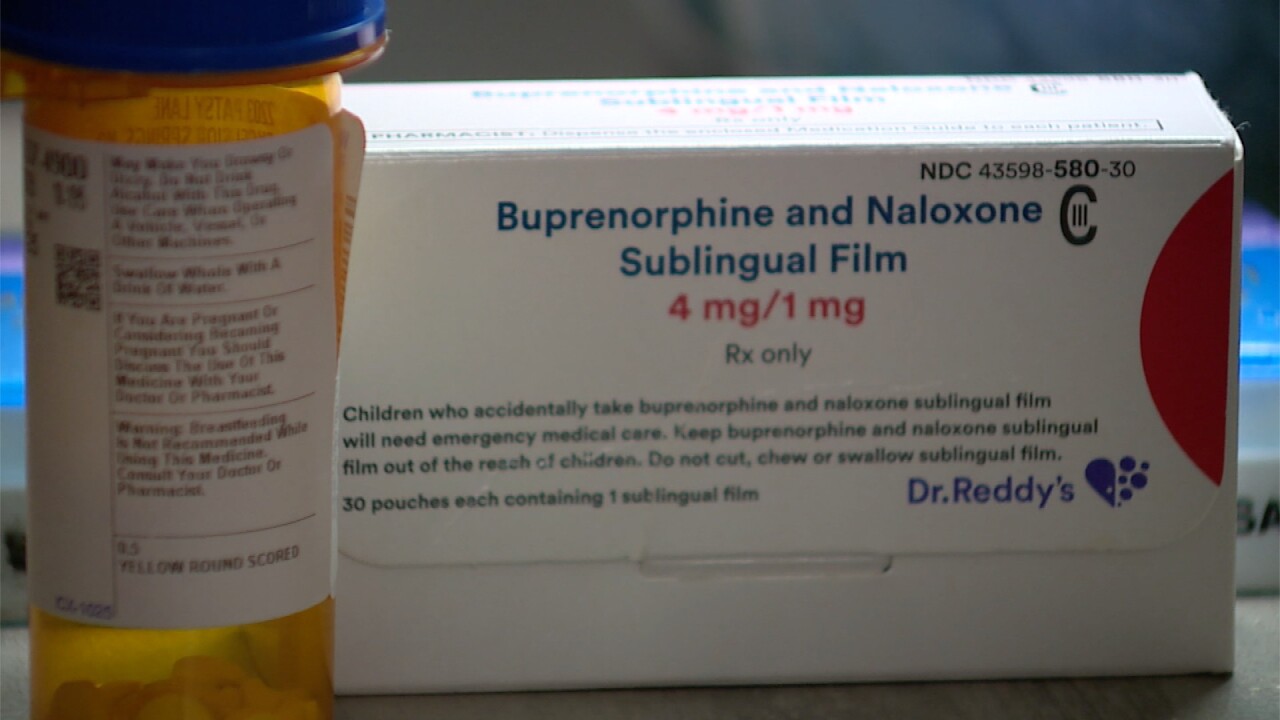
“I'd had a tooth pulled, and I was given some actual painkillers. That day, I was thinking, I don't have to take [7-OH], I got 10 painkillers here," Whitmore said. "I took all 10 of them in one day. I still had to go get [7-OH]; it wasn't strong enough. Regular hydrocodone wasn't strong enough to get me off of this.”
And the pain is still there.
"It's all you think about," Whitmore said. "It's your entire life, it's your entire world. It's a life-sucking thing."
—