



OVERLAND PARK, Kan. — KSHB 41 reporter Olivia Acree covers portions of Johnson County, Kansas, including Olathe and Lenexa. Share your story idea with Olivia.
—
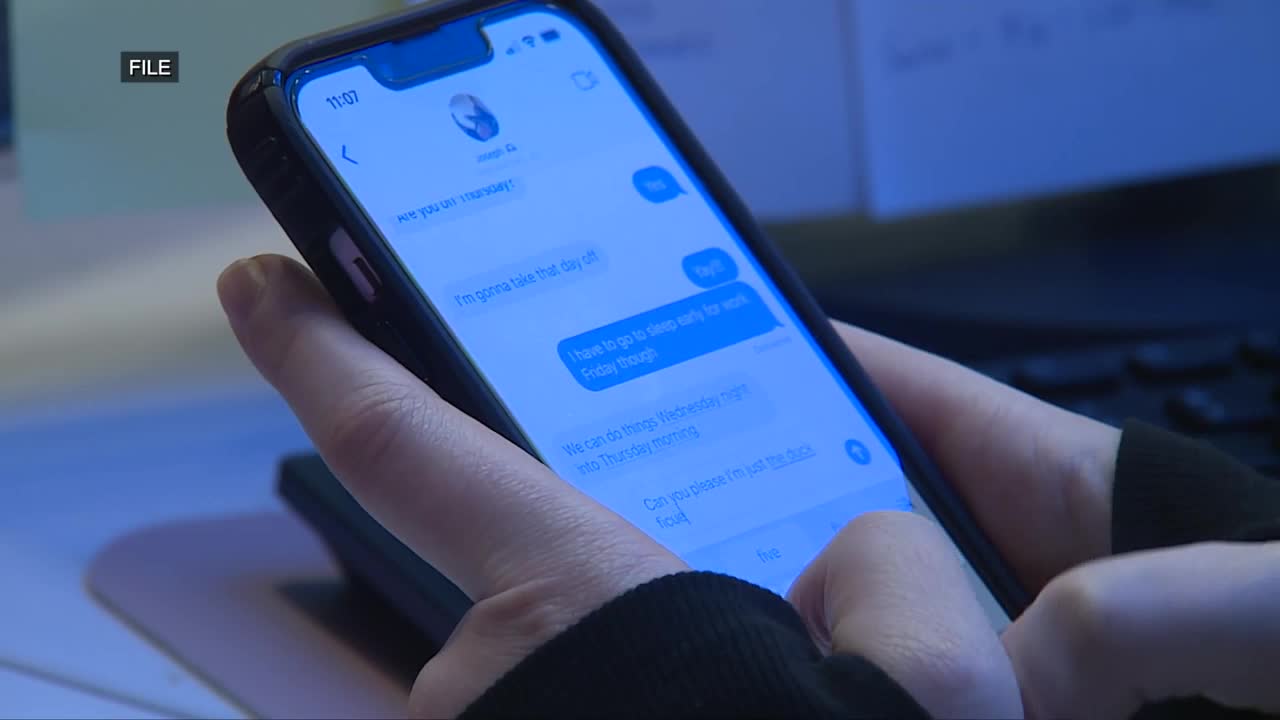
Kansas students are heading back to school this week under a new statewide bell-to-bell phone ban signed by Gov. Laura Kelly, and Johnson County districts are each enforcing it differently.
Kim Whitman, co-lead for Distraction Free Schools and a Shawnee Mission School District mom, was at the governor's side when the ban was signed.
"I want my kids to be focused on learning when they're at school, and it's really hard if you have smart devices accessible," Whitman said.
She says the policy is long overdue.
"Remove that distraction, remove the pressures of social media ... everything goes up," Whitman said.
Not everyone shares that enthusiasm. Blue Valley Schools Superintendent Gillian Chapman shared with me in the spring that she had reservations about a blanket restriction and an unfunded mandate.
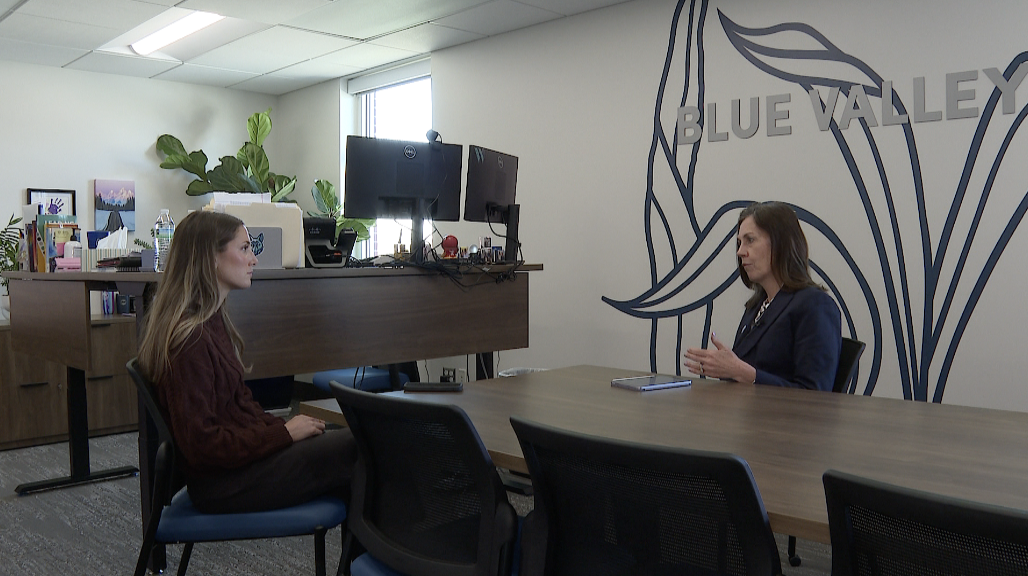
“There's a cost to that,” Chapman said. "There are legitimate reasons why a student should learn how to appropriately use their cellphone device.”
Blue Valley's new policy requires devices to be off and inaccessible. In Shawnee Mission, high schoolers can keep phones in their cars or lockers. Olathe students have those same options, but can also use the district's CUBE Phocus stations — a solution Olathe purchased for every school at a total cost of $40,700.
When asked whether the benefits outweigh the cost, Whitman pointed to what she has heard from other districts around the country.
"Superintendents and board members and districts that have this policy with inaccessible storage that I have talked to said it's worth every penny," Whitman said.

Enforcement is the other major piece of the new policies. Each district outlines consequences that start at confiscation and can end with suspension or expulsion. Whitman said she wants to make sure that burden does not fall entirely on teachers.
"They'll have to continue policing them unless they're locked up," she said. "They're the ones that have so many pressures on them. They're the ones competing for the kids' attention."
With the new school year just days away, Whitman is making plans with her own student about devices.
“I did ask her what she was preferring, and she said she would leave it in her car because she's never utilized a locker,” Whitman said.
She hopes more districts move toward device storage or stronger policies going forward.
"Once you have established what is best for the student and for the teacher, it becomes clear that we need to put in place a really solid policy," Whitman said.
This story was reported on-air by a journalist and has been converted to this platform with the assistance of AI. Our editorial team verifies all reporting on all platforms for fairness and accuracy.
—

![092126_KSHB_WX_480x360[61].jpg](https://ewscripps.brightspotcdn.com/dims4/default/79e7fad/2147483647/strip/true/crop/480x360+0+0/resize/960x720!/format/webp/quality/90/?url=http%3A%2F%2Fewscripps-brightspot.s3.amazonaws.com%2F6f%2F6d%2Fa3758caf4c0984b0ecf100f620d1%2F092126-kshb-wx-480x36061.jpg)