

DE SOTO, Kan. — KSHB 41 reporter Olivia Acree covers portions of Johnson County, Kansas, including Olathe and Lenexa. Share your story idea with Olivia.
—
Johnson County leaders are looking decades ahead as development continues to spread to rural areas, especially near the Panasonic electric vehicle battery plant in De Soto.
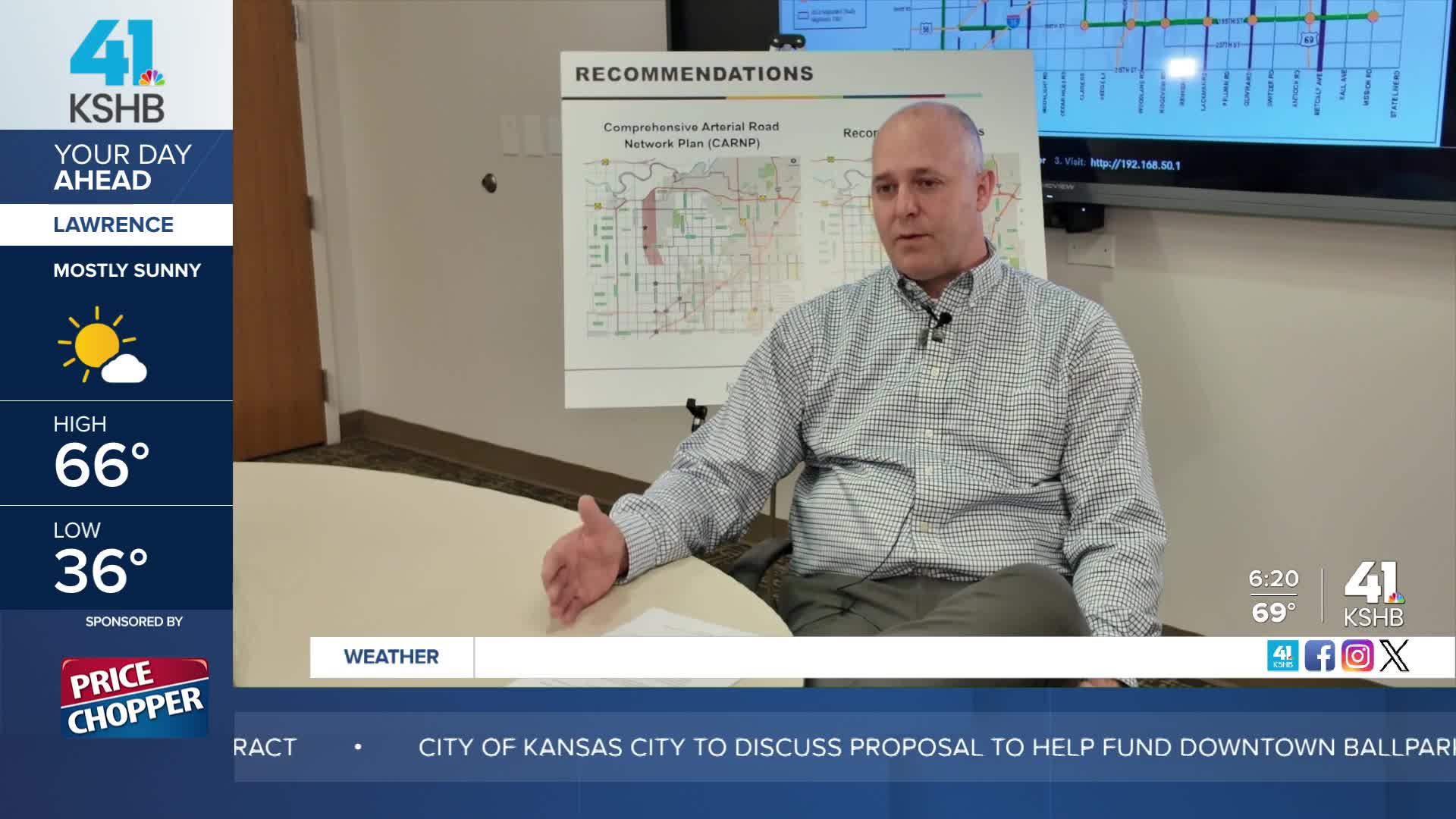
The county board recently adopted a road network plan that could reshape how people move through rural parts of the county. The plan is a recommendation, not a construction schedule, but it identifies which rural roads would need to be expanded to keep up with development pushing west.
This means some roads might go from two lanes to four in the future, and other roads may open for the first time.
For more than 80 years, much of this land was cut off from the public. The roads behind the gates haven't been open to the public since 1941, when the Sunflower Army Ammunition Plant opened.
“Those are all existing roads that were there before the Sunflower Army Ammunition Plant existed. A lot of those were identified as needing to be reconnected for connectivity to the business park,” said Lee Kellenberger, interim Public Works director.
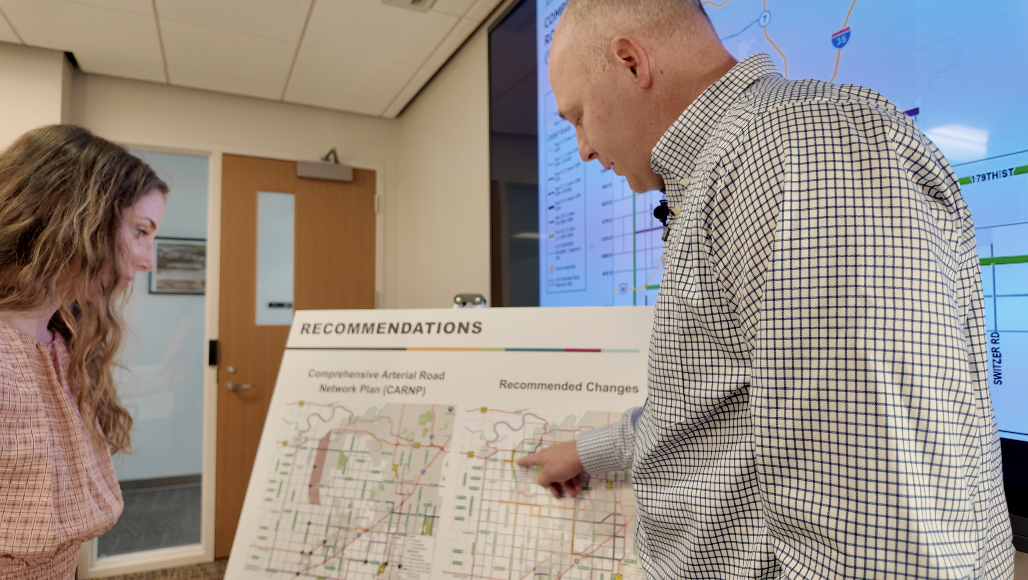
One example of expected growth is 143rd Street near Four Corners Road. That area sees about 400 cars a day now, but by 2060, the county expects that number to grow by 19,000.
To the southeast, places like Spring Hill and Overland Park are seeing growth, too. I asked Kellenberger how this road plan plays into that growth.

"We are trying to get ahead and anticipate what the growth may look like in the next 30 years," Kellenberger said. "So in 1980, about 30% of the county was incorporated and developed. Today, in 2026, about 75% of the county is developed, so only 25% to 30% remain unincorporated."
Kellenberger said keeping the roads safe and up to date is part of continued economic development.
This story was reported on-air by a journalist and has been converted to this platform with the assistance of AI. Our editorial team verifies all reporting on all platforms for fairness and accuracy.
—