



KANSAS CITY, Mo. — KSHB 41 reporter Isabella Ledonne reports on stories in Overland Park, Johnson County and topics about government accountability. Share your story idea with Isabella.
—
Saturday marks the final FIFA World Cup 26 match in Kansas City with Argentina set to meet Switzerland on the pitch at Kansas City Stadium.
Public transportation received a big boost during the World Cup.
Johnson County launched JOCO United, and according to leaders, the airport drop and ride service that was implemented for the tournament will stick around.
"It has been very smooth every time," Johnson County resident Mariah Wickham said. "I've been up and down so many times."
Kansas City, Missouri, also bumped up its transit options, but not all of the those will be sticking around once the final whistle blows.
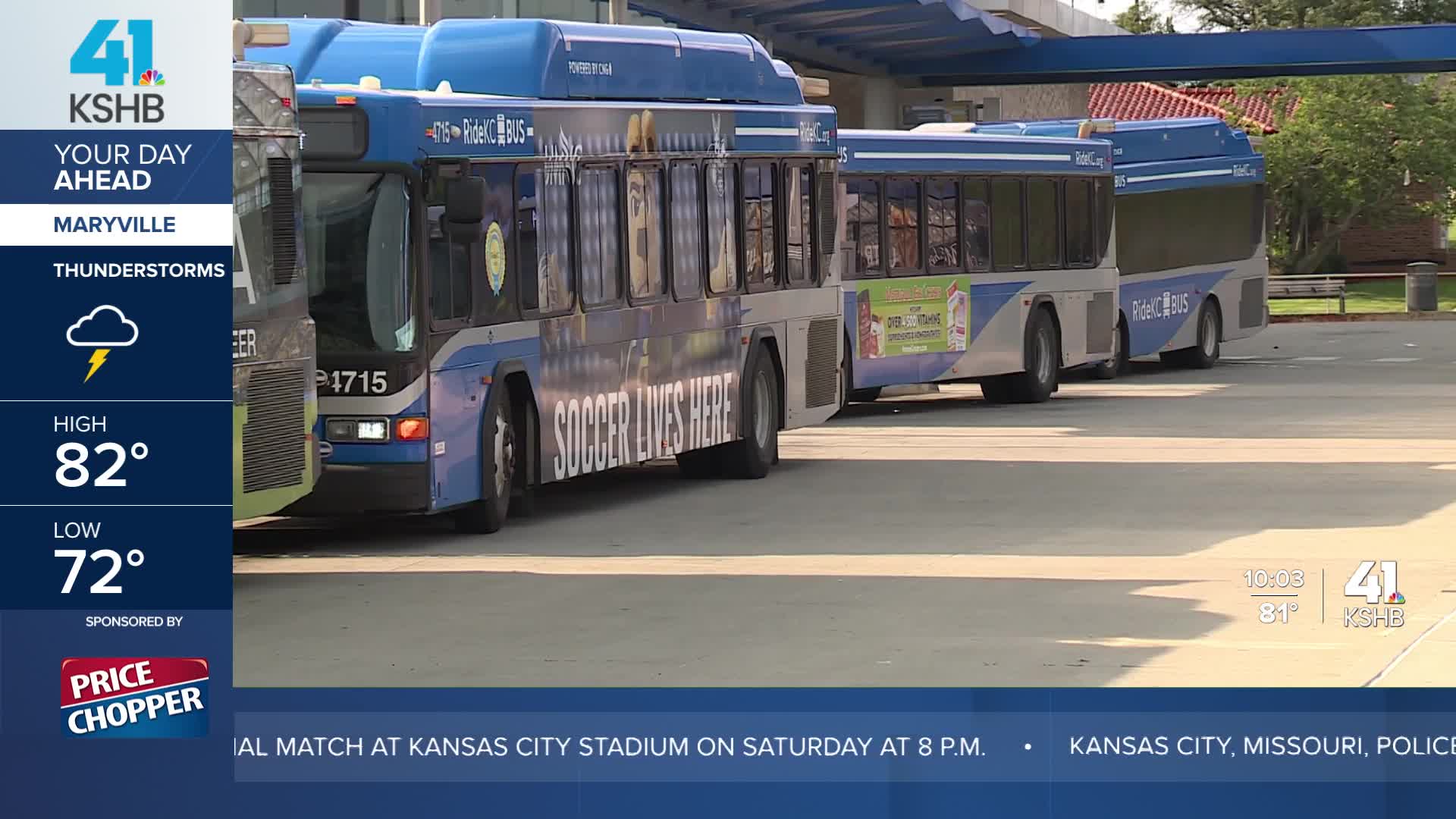
Tens of thousands of people have been using the airport link, streetcar and the buses to get around Kansas City. The city poured millions of dollars into building up its public transit infrastructure. The KCATA added more frequency to bus transit lines and the streetcar, pushing more fans to use public transportation during the tournament.

"With the World Cup here, I was able to exercise using the streetcar more frequently and that was really fun," Trish Luancing said. "It would be nice to not have to drive everywhere and not have to worry about parking."
But thousands have been relying on public transit for years, regardless of what event was in town.
"It's been busier since the World Cup," Jeffrice Jackson, a bus rider, said. "It's been smooth sailing."
The KCATA added streetcar 'bus bridge' links, extended bus service hours and increased frequency on East-West routes to link riders to the streetcar. It's benefited both travelers and commuters.
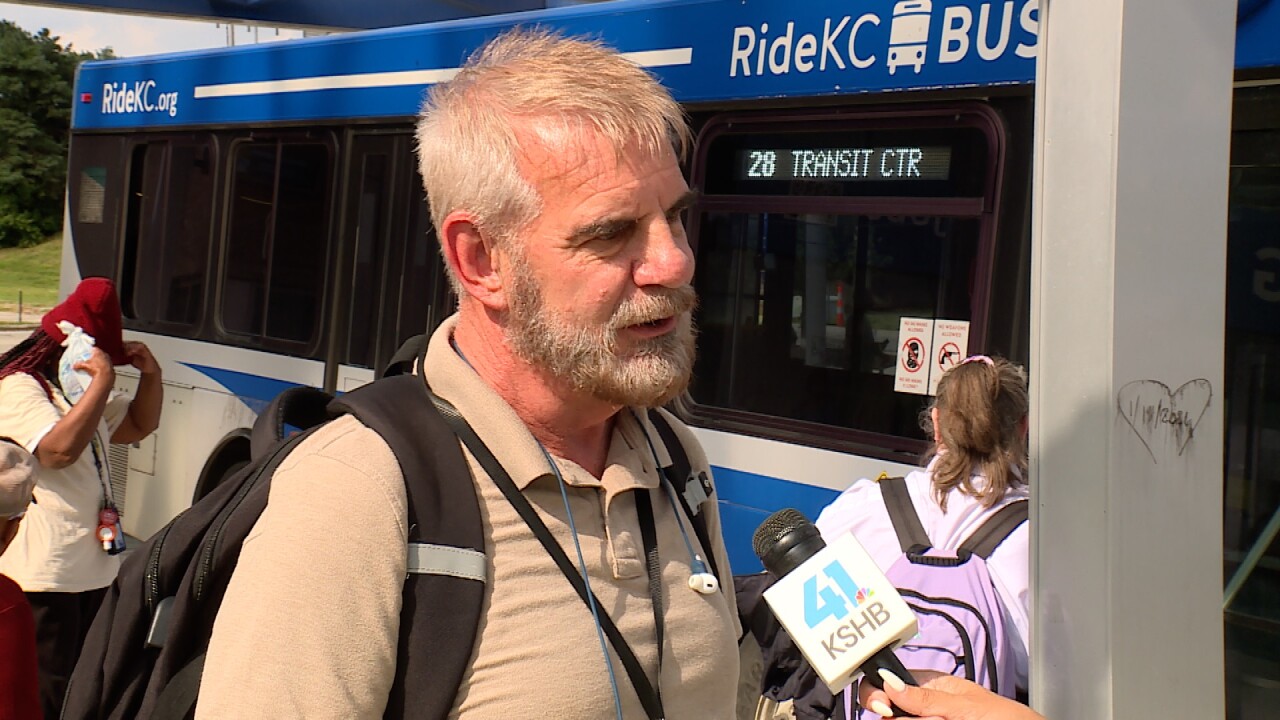
"[Service] has been more consistent with the World Cup than it was previously," Jerry Breault, a rider said. "We were missing buses or routes because there weren't enough drivers to drive that route."
But the add-on's stop on Sunday, July 12. If the transit authority can't find more money, more than a dozen routes will be cut, potentially impacting more than 8,000 riders.
"It's a little frustrating," Breault said. "A lot of us rely on it just to get back and forth to work, to take care of our daily needs. It looks like we may be having to find alternatives and we're not very happy about that."
The KCATA will potentially suspend these weekday and weekend routes by September:
Weekday Route Eliminations:
- 9 - 9th Street, 365 average weekday ridership
- 21 - Cleveland Antioch, 512 average weekday ridership
- 23 - 23rd Street, 266 average weekday ridership
- 25 - Troost Local, 1,460 average weekday ridership
- 27 - 27th Street, 422 average weekday ridership
- 57 - Wornall, 411 average weekday ridership
- 71 - Prospect Local, 464 average weekday ridership
Weekend Route Eliminations:
- 9 - 9th Street, 349 average weekend ridership
- 21 - Cleveland Antioch, 312 average weekend ridership
- 23 - 23rd Street, 312 average weekend ridership
- 25 - Troost Local, 1,431 average weekend ridership
- 27 - 27th Street, 455 average weekend ridership
- 57 - Wornall, 595 average weekend ridership
- 71 - Prospect Local, 982 average weekend ridership
Bus fares came back earlier this summer to offset some of the operation costs, but many have reported issues with the free fare cards and eligibility.
"There's always funding challenges with the KCATA," Kansas City, Missouri, Mayor Quinton Lucas said. "How are the fare re-institutions working right now?"
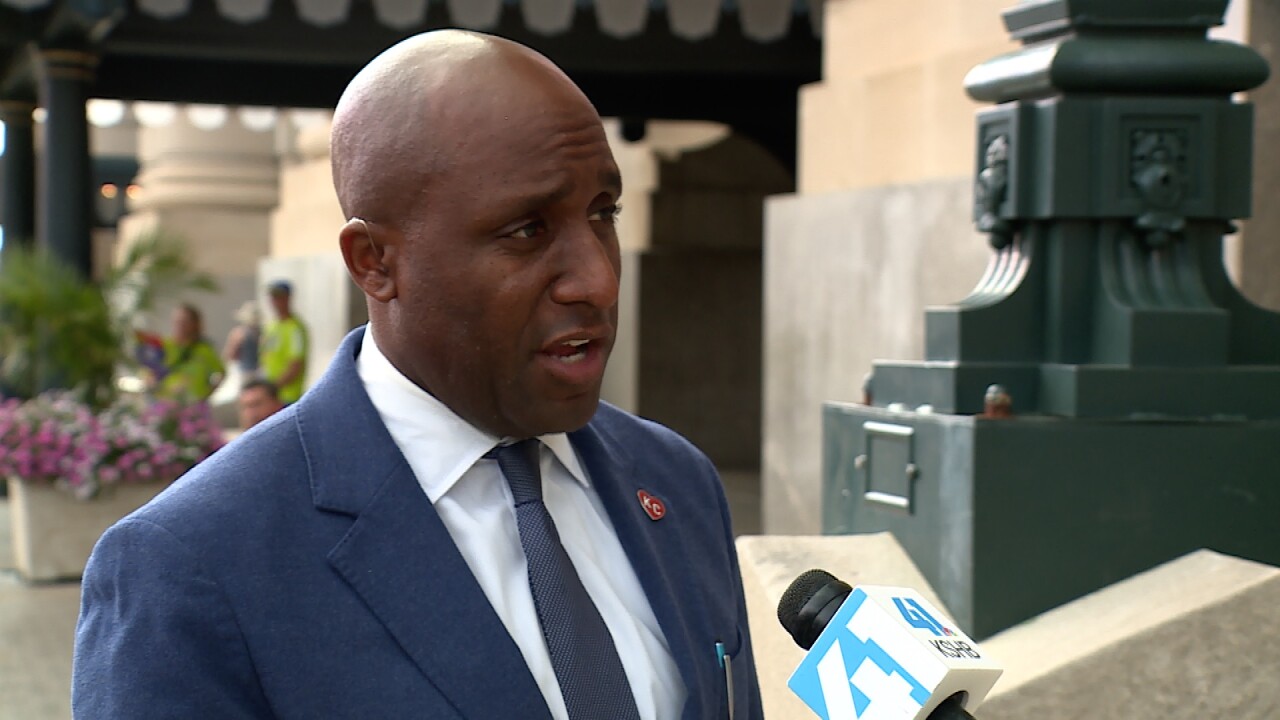
Mayor Lucas told KSHB 41 News Reporter Isabella Ledonne the transit improvements implemented for the World Cup "should continue," and there are plans to talk with the KCATA commissioners to "make it work".
"KCATA cannot just be Kansas City supported alone forever," Mayor Lucas said. "Our approach and our preference is that the region got to see how much they would like [expanded service] during the World Cup. It was always intentional that if they liked it, maybe they would invest and maybe they would want this thing to go further."
That's good news to the thousands of daily riders.
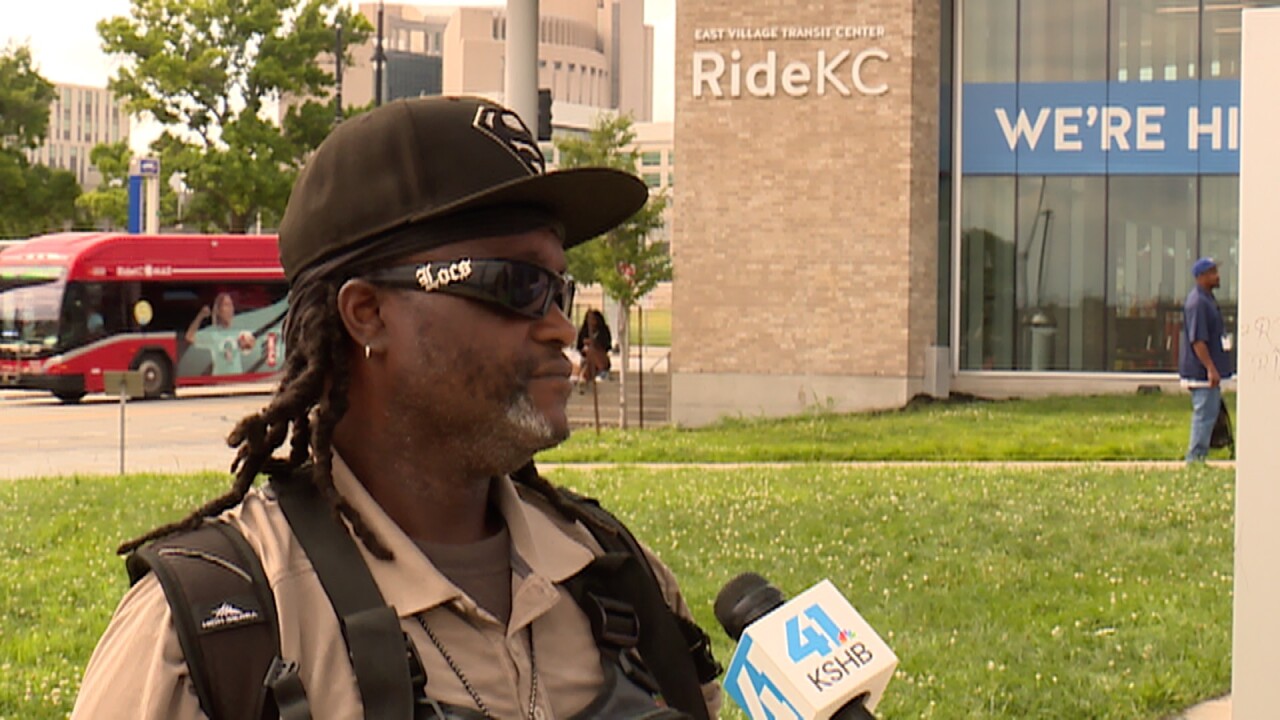
"I think it's good because it helps people get around if they need to get around," Jackson said.
The KCATA did not make themselves available for an interview.
—

![092126_KSHB_WX_480x360[61].jpg](https://ewscripps.brightspotcdn.com/dims4/default/79e7fad/2147483647/strip/true/crop/480x360+0+0/resize/960x720!/format/webp/quality/90/?url=http%3A%2F%2Fewscripps-brightspot.s3.amazonaws.com%2F6f%2F6d%2Fa3758caf4c0984b0ecf100f620d1%2F092126-kshb-wx-480x36061.jpg)