



KANSAS CITY, Mo. — KSHB 41 reporter La’Nita Brooks covers stories in Kansas City, Missouri, and stories offering solutions on crime. Share your story idea with La’Nita.
—
Three former Research Medical Center patients who survived life-threatening heart and lung emergencies reunited Wednesday with the physicians and care teams who treated them, some for the first time since leaving the hospital.
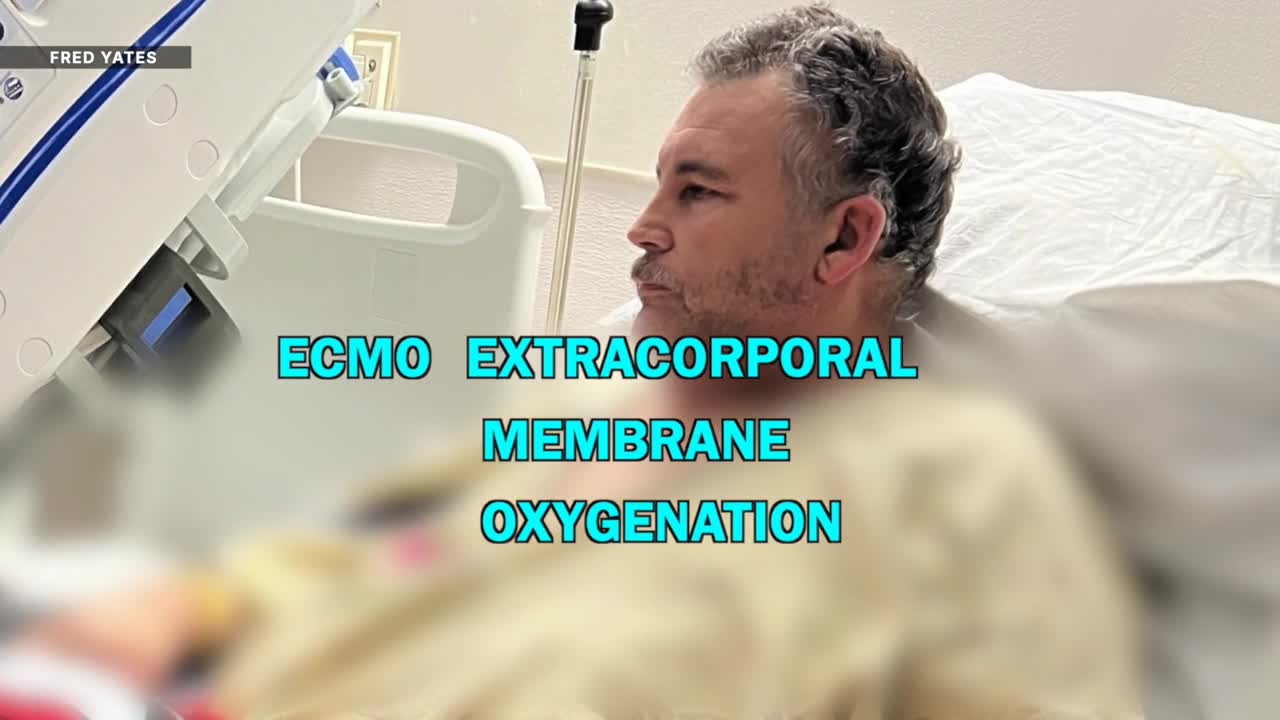
All three required ECMO, which stands for extracorporeal membrane oxygenation, one of the most advanced forms of life support. ECMO is used when a patient's heart or lungs cannot function adequately on their own and conventional life-support measures, such as mechanical ventilation, are no longer enough.
Research Medical Center is one of only a limited number of hospitals in the Kansas City region with an ECMO program. The hospital completed 31 ECMO cases in 2025 and, as of last week, had already completed 32 cases in 2026, with more than three months remaining in the year.
Their stories are remarkable.
One patient spent five days on ECMO after severe respiratory failure linked to vaping. Another required eight days of ECMO after major heart surgery. A third spent 13 days on ECMO following emergency surgery for an aortic tear.
Fred Yates said his ordeal began at work on Dec. 17, 2024.
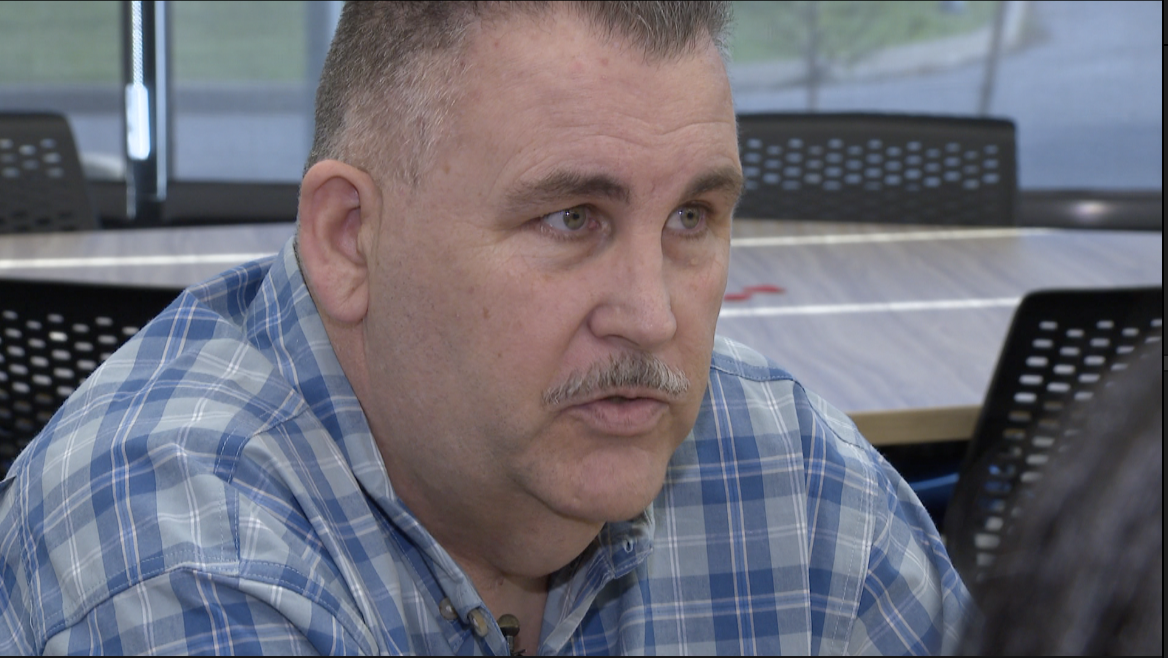
"December 17th of 2024, I was at work and I suffered a stroke," Yates said. "I didn't realize I had suffered a stroke. My fingers curled and my left arm was numb."
Doctors discovered Yates had suffered several small strokes, along with congestive heart failure, multiple blockages and a defective valve. When he arrived at the emergency room, the severity of his condition stunned the medical staff.
"When I walked into the ER because my fingers were curled over, they said your refraction rate is at 15%. How are you even walking and talking?" Yates said.
Yates said the experience gave him a story he feels compelled to share.
"I was the sickest patient in Research Hospital while I was there," he said. "And that's a very profound statement coming from a surgeon who was in your chest for 8 and a half hours to tell you that you shouldn't be here, but you are."
John Hawkins said his emergency began with what seemed like an ordinary day at the gym.
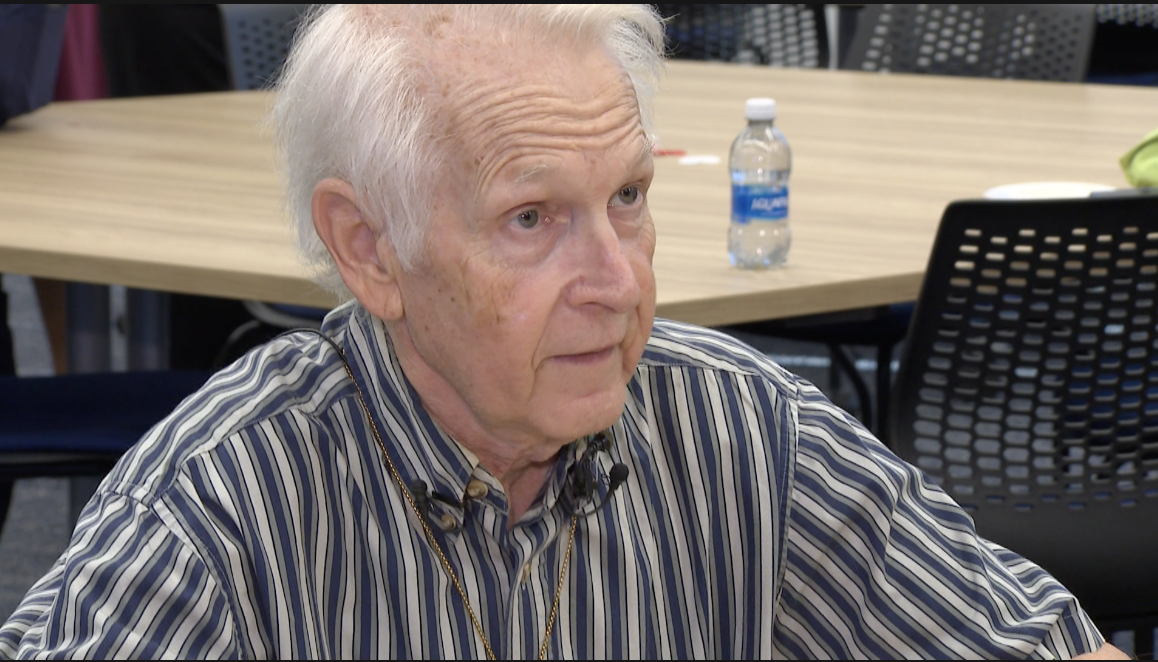
"I came to the gym, did my normal workout, at least the aerobics, felt a weakness in my chest, I didn't know what was going on," Hawkins said.
Hawkins said the experience changed how he approaches his health and diet.
"Changed my diet. I would suggest anybody seeing this, you think you can eat sweets all this time and exercise it off," he said. "Well, you can keep your weight down, but you might do other damage."
Hawkins said his recovery is not something he takes for granted. Yates echoed that sentiment.
"It was very important for me to celebrate the fact and tell my story, tell more people my story," Hawkins said. "How the lord walked me through this."
This story was reported on-air by a journalist and has been converted to this platform with the assistance of AI. Our editorial team verifies all reporting on all platforms for fairness and accuracy.
—

![020626_KSHB_Image_NXA_Web_Standard Cube[88].jpg](https://ewscripps.brightspotcdn.com/dims4/default/0ead409/2147483647/strip/true/crop/300x225+0+13/resize/960x720!/format/webp/quality/90/?url=http%3A%2F%2Fewscripps-brightspot.s3.amazonaws.com%2F8f%2F6c%2Ffad8bd2346c5a4d4ead793017d4a%2F020626-kshb-image-nxa-web-standard-cube88.jpg)