


KANSAS CITY, Mo. — KSHB 41 reporter La’Nita Brooks covers stories in Kansas City, Missouri, and stories offering solutions on crime. Share your story idea with La’Nita.
—
More than 100 labor and delivery units have closed nationwide since 2024, including nearly a dozen in Missouri since 2010.
As access to maternity care becomes more limited, one Kansas City family is turning a frightening birth experience into a resource for other expectant parents.
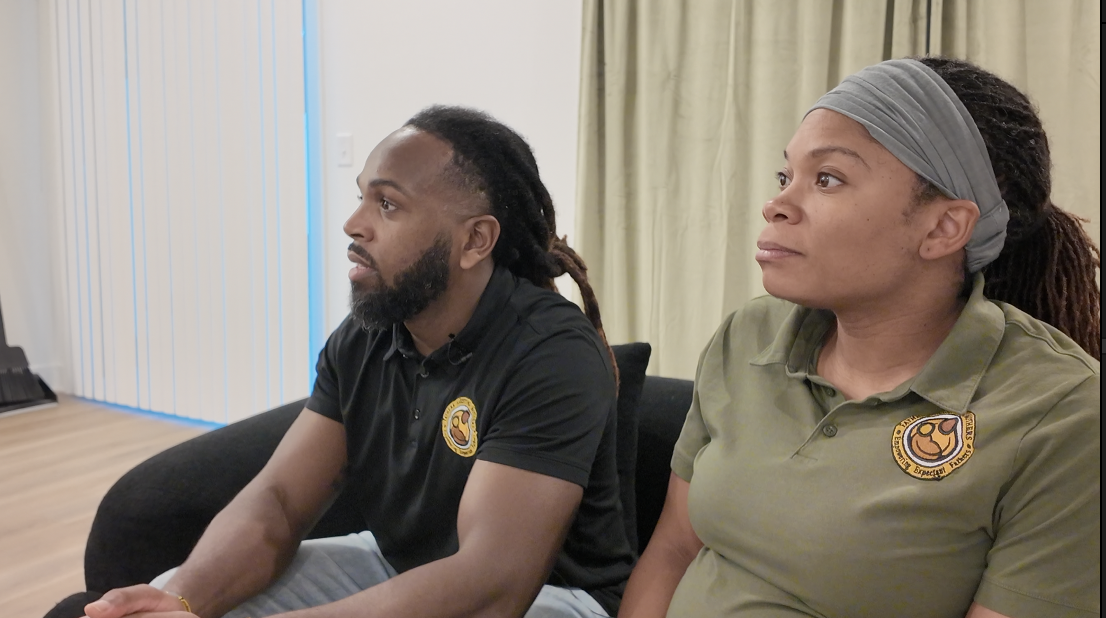
James and Shunquita Hogue are preparing to welcome their second child.
They said they feel more prepared this time, but their first pregnancy taught them how quickly a birth plan can change.
“Everything was pretty normal up until week 35, where preeclampsia was a thing,” Shunquita Hogue said. “My blood pressure started spiking out of nowhere, so we had to pivot on our birth plan.”
The unexpected diagnosis meant an early induction and a premature baby who needed care in a neonatal intensive care unit.
“There were some scary moments with having a preemie and knowing that our son would be in the NICU for a while,” she said.
That experience helped inspire James Hogue to create Fathers Assisting Mothers, a program that prepares expectant fathers to support their partners throughout pregnancy, childbirth and the postpartum period.
“With one in three counties being in a maternity care desert, it’s vital for guys to be prepared,” James Hogue said.
RELATED | Kansas City organization works to close maternal healthcare gaps
The program comes as communities across Missouri face challenges accessing maternity care. More than half of Missouri counties lack labor and delivery services, making preparation and awareness of available resources especially important for families who may have to travel for care.

Fathers Assisting Mothers uses a cohort-based program to help men understand what to expect before and after birth.
“Guys are able to go through eight weeks of programming where they walk through everything from preconception through to the first year of postpartum, where we teach them the signs, the symptoms, comfort measures,” James Hogue explained.
The program has trained 50 men so far.
For the Hogues, the lessons are personal, and their goal is to help other fathers gain that same preparation, so they can better support their partners and recognize when something may not be right.
—