



KSHB 41 reporter Ryan Gamboa covers Miami County in Kansas and Cass County in Missouri. He also covers agricultural topics. Share your story idea with Ryan.
—
A new Kansas bill aims to give local code inspectors more power to examine rental properties, a direct response to last year's Aspen Place apartment condemnation in Gardner, Kansas, that left dozens of residents displaced.
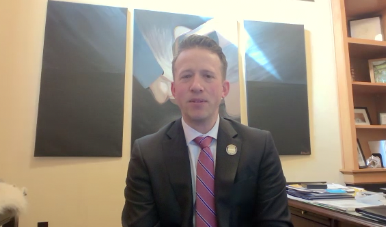
Senate Bill 416 would allow city and county code inspectors to conduct interior inspections of rental properties without tenant consent in two specific circumstances: when they obtain an administrative warrant or when there's probable cause of imminent danger related to health and safety on the property with reasonable notice.
"We know that a lot of our municipalities really struggle to perform an interior inspection of a rental property," said Sen. Doug Shane (R-Louisburg), who sponsored the legislation. "Of course, they can see the outside of a structure in a facility just fine."
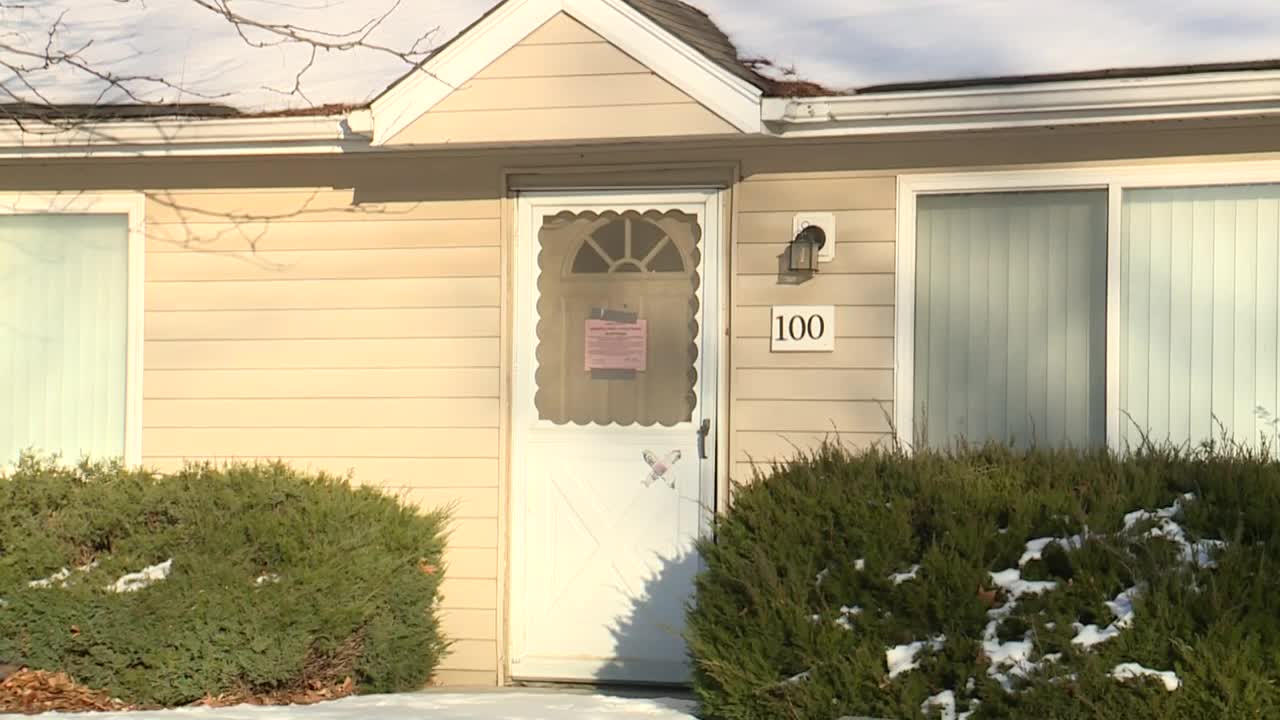
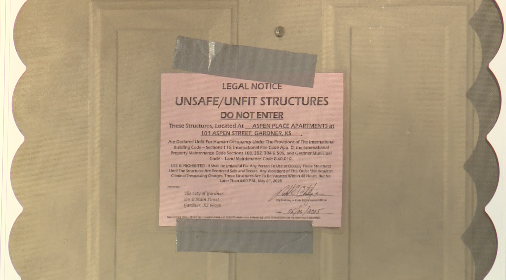
The bill comes nearly nine months after Gardner condemned Aspen Place in May, forcing residents like Corey Thurman to pack up and leave.
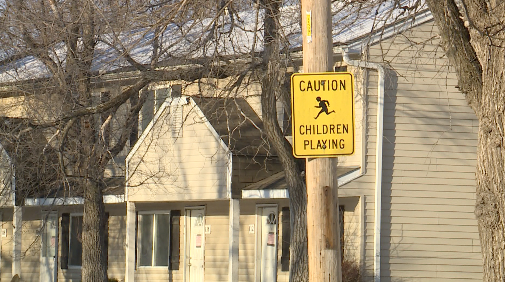
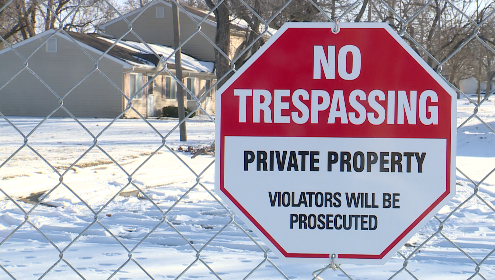
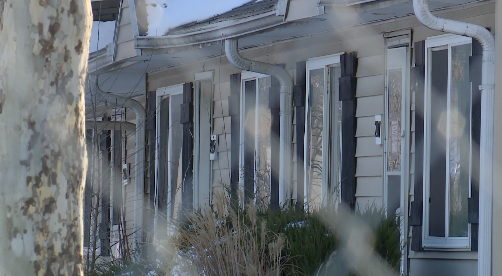
Pink condemnation notices still hang on apartment doors, and the complex remains empty as of Sunday.
Shane said the Aspen Place situation highlighted the current limitations facing municipal inspectors.
"The only way the municipality can get into the facility to get evidence of black mold or evidence of not clean potable water on the inside of the units, it would've taken the permission of the tenant to get inside the residence," Shane said. "Many tenants are fearful to do that because they fear retaliation by the landlord."
However, Gardner City Administrator Jim Pruetting said in an email response that the primary issues at Aspen Place weren't interior problems that would have required tenant consent to inspect.
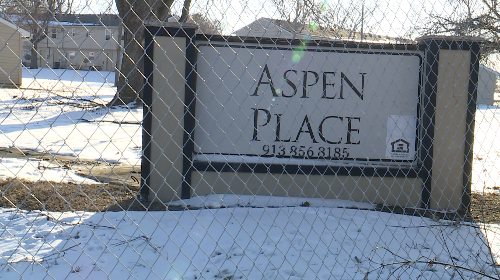
"They were related to road, water and sewer system failures outside of the apartment units," Pruetting wrote.
In his email, Pruetting said Gardner already has the authority to obtain administrative warrants and expressed concerns about the bill's "probable cause of imminent danger" standard.
"My initial concern about the 'probable cause of imminent danger' standard is that it relies on the exigent circumstance exception to the search warrant requirement, which would not have applied in this situation," he wrote.
The proposed legislation would preserve Fourth Amendment protections, according to Shane, while giving municipalities a tool to conduct inspections when they believe there's reason to get inside.

Thurman supports the new legislation despite his general reluctance toward government regulation.
"I don't like to have 'Big Brother' regulating everything," Thurman said. "I don't think 'Big Brother' should be in everybody's pocket or over their shoulders. But I think in today's world, somebody has to be there that is going to be able to stand up, that's got a little bit more power to watch over us."
He believes the bill would create accountability for landlords who ignore violations.
"There needs to be something that holds these people accountable. I am tired of my money [being] enough to pay these people off," Thurman said.
The legislation would give tenants more options than simply moving out when problems arise, according to Thurman.
"I think it gives someone something to stand on other than just walking out the door and running down to [the] office and saying this doesn't work," he said.
Nick Blessing, a staff attorney with Kansas Legal Services, said the bill doesn't change much from current law. Still, he understands why some tenants might hesitate to allow inspections.
"Sometimes people don't want to consent to the inspection because they fear retaliation of their landlord," Blessing said. "So if they're consenting to the inspection, then the landlord may be able to glean that they allowed this, and the landlord may choose to pursue eviction or increase rent."

In his email response, Pruetting said Gardner doesn't track inspection refusals, so the city has no information about whether pressure or retaliation plays a role in tenant decisions.
Blessing said he always encourages tenants to allow inspections, but acknowledges the fear of retaliation is real.
While landlord retaliation is illegal in Kansas, Blessing noted that people still get subjected to it without adequate protection.
"It's the fear that the landlord is going to see that and know that you allowed code enforcement, or you called code enforcement, and you're outta here," Blessing said. "It happens. It's shocking to sometimes think that it happens, and it's clearly illegal under Kansas law."
The current owners of Aspen Place have been in communication with Gardner and intend to address all property deficiencies that led to the condemnation, Pruetting wrote in his email. The city is reviewing plans for road reconstruction and water line replacement through the complex.
Gardner currently has one code enforcement officer, but can use police personnel to supplement staffing when needed, per Pruetting.
Despite potential concerns, Thurman believes the legislation could help protect renters across Kansas.
"We need more of the 'stand up for the people' type things," he said.
This story was reported on-air by a journalist and has been converted to this platform with the assistance of AI. Our editorial team verifies all reporting on all platforms for fairness and accuracy.
__

![020626_KSHB_Image_NXA_Web_Standard Cube[88].jpg](https://ewscripps.brightspotcdn.com/dims4/default/0ead409/2147483647/strip/true/crop/300x225+0+13/resize/960x720!/format/webp/quality/90/?url=http%3A%2F%2Fewscripps-brightspot.s3.amazonaws.com%2F8f%2F6c%2Ffad8bd2346c5a4d4ead793017d4a%2F020626-kshb-image-nxa-web-standard-cube88.jpg)