



KANSAS CITY, Mo. — KSHB 41 reporter Claire Bradshaw covers eastern Jackson County, including Blue Springs and Independence. Share your story idea with Claire.
—
As dangerous cold weather continues for another day, fire officials are warning about heating safety and a silent killer that could be lurking in your home.
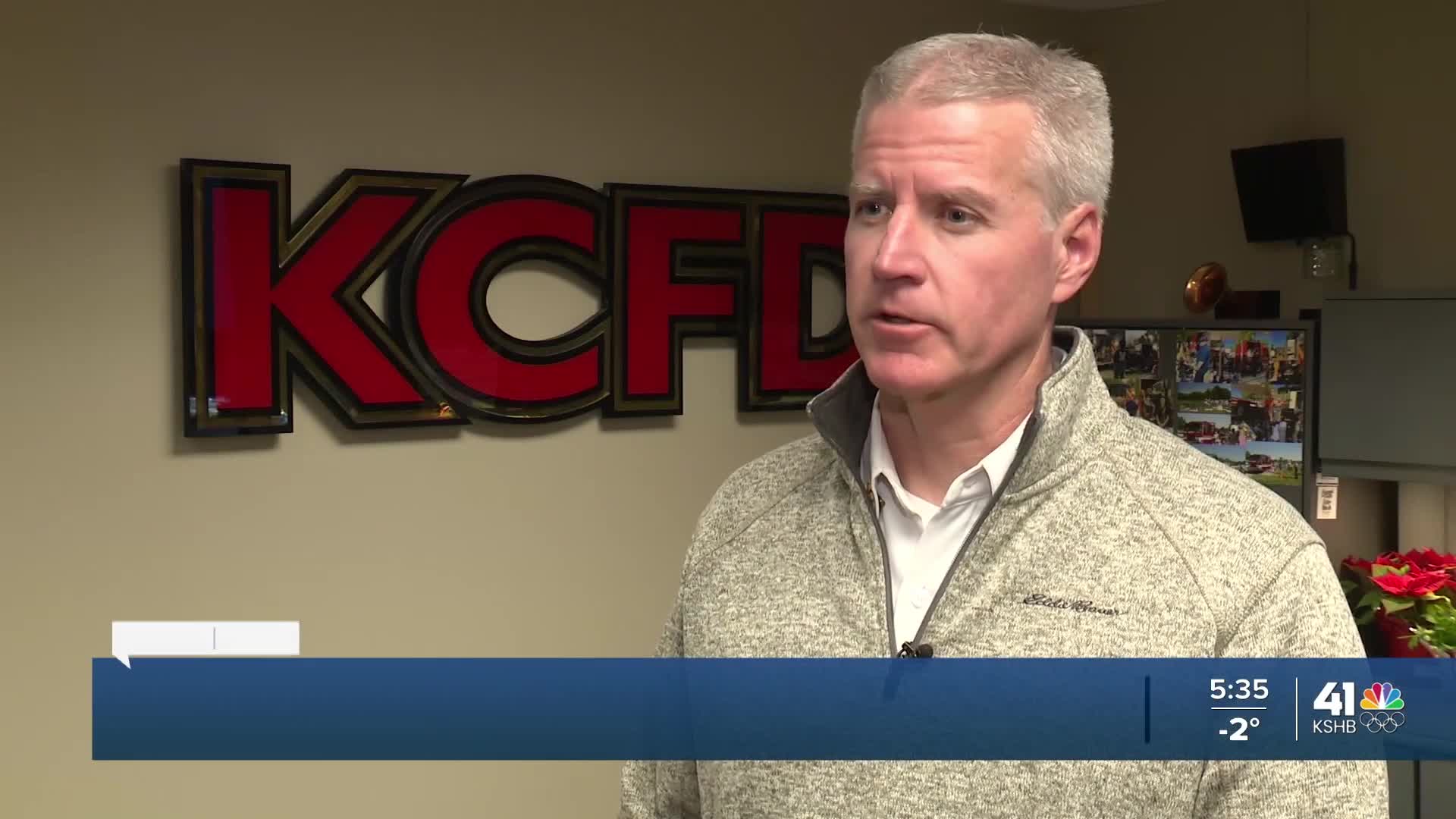
I spoke with Kansas City, Missouri, Fire Department Battalion Chief Riley Nolan about the risks that come with alternative heating sources during extreme cold snaps.
Space heaters need to be at least three feet away from anything that can burn, like beds or drapes. Never use extension cords with them, and don't leave them unattended. Turn them off when you aren't in the room.
This also isn't a time to think outside the box when heating your home.
"You don't want to use your oven or stove tops to keep things warm. Those can get very dangerous," Nolan said. "Those are things you can't really control, and they'll get out of hand really quickly. So try to stick to space heaters. Use them safely if you have a furnace, say fireplace, anything along those lines. Stick with those common things."
All of this can also put you at risk for carbon monoxide poisoning.
The Centers for Disease Control and Prevention reports more than 400 Americans die from unintentional carbon monoxide poisoning each year. Carbon monoxide poisoning spikes this time of year because of the alternative heating sources people are using.
You want to make sure you have a carbon monoxide detector on each level of your home.
Nolan says you can't smell or taste the deadly gas. It is caused by the incomplete burning of fuels in appliances like furnaces, stoves or fireplaces.
The first signs of carbon monoxide poisoning are dizziness, headaches and just feeling like you have the flu. If you're asleep, you may not experience those symptoms. That is why if you have a detector, you need to check it regularly.
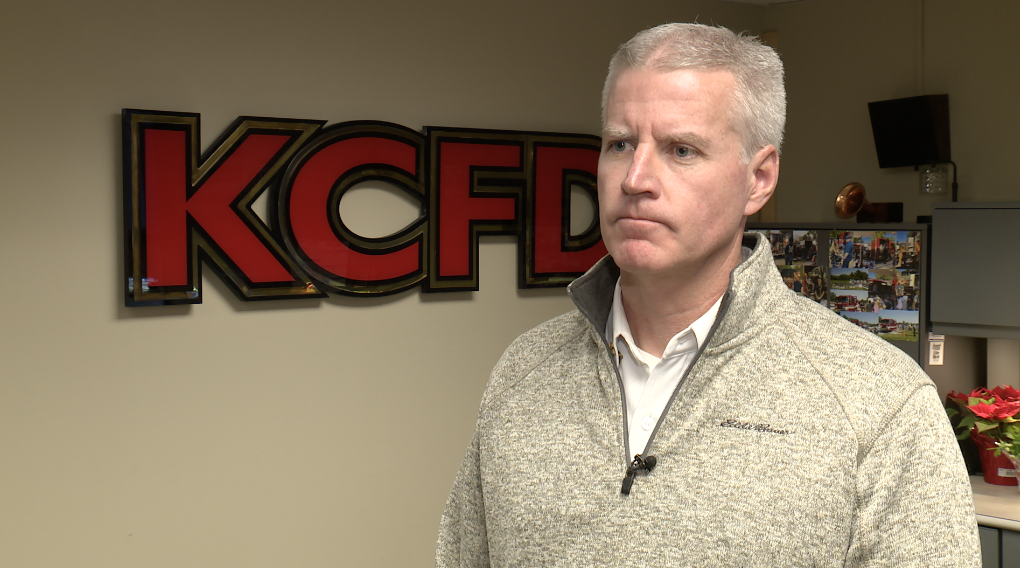
"You want to check those as well," Nolan said. "Just like a smoke detector or smoke alarm, you want to check those batteries monthly, make sure that they're working appropriately. And if not, you want to get those changed out."
To reduce risk, make sure your home is well ventilated, keep regular service on your furnace and other appliances, and don't have any blocked vents.
This story was reported on-air by a journalist and has been converted to this platform with the assistance of AI. Our editorial team verifies all reporting on all platforms for fairness and accuracy.
—

![020626_KSHB_Image_NXA_Web_Standard Cube[88].jpg](https://ewscripps.brightspotcdn.com/dims4/default/0ead409/2147483647/strip/true/crop/300x225+0+13/resize/960x720!/format/webp/quality/90/?url=http%3A%2F%2Fewscripps-brightspot.s3.amazonaws.com%2F8f%2F6c%2Ffad8bd2346c5a4d4ead793017d4a%2F020626-kshb-image-nxa-web-standard-cube88.jpg)