



KANSAS CITY, Mo. — KSHB 41 anchor/reporter Daniela Leon covers transportation-related issues in Kansas City. Share your story idea with Daniela.
—
For the past four years, Kansas City has been preparing to host the biggest sporting event in the world. Transportation has been top of mind for KC2026 organizers and city leaders, including Mayor Quinton Lucas.
Back in November 2025, KSHB 41 anchor Daniela Leon spoke with Lucas about the city’s plans for welcoming the World Cup. He said the biggest challenge wouldn't be public safety — it would be getting people to and from games.
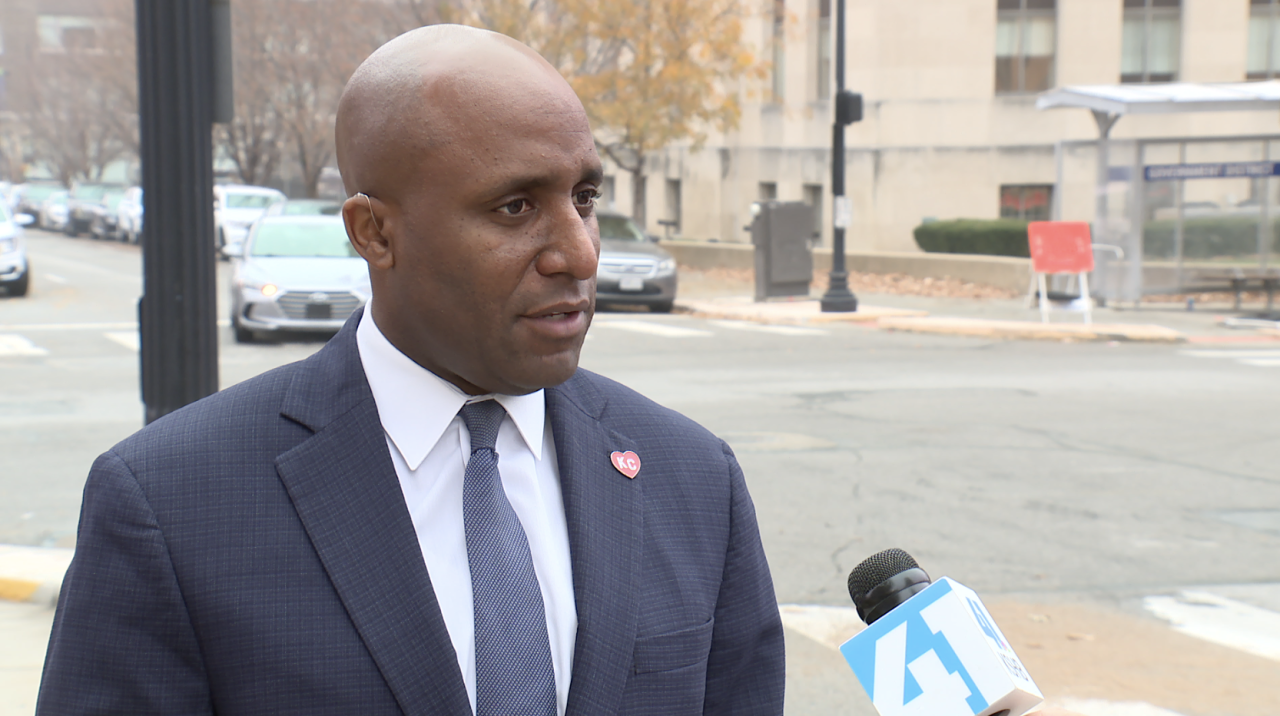
“People ask me all the time, what am I most worried about for World Cup 2026? It is not public safety. It is actually public transportation. As someone who makes it out to the Truman Sports Complex with some regularity, I know traffic can be tough," Lucas said. "I know we’ve had major events that can be tough, and I know everyone is working up the best game plan to make sure they can address it.
"So do I expect perfection? No. Do I expect good delivery of basic services each day here without games? Yes. And each day with games, we put in a whole lot of money to make sure we did it."
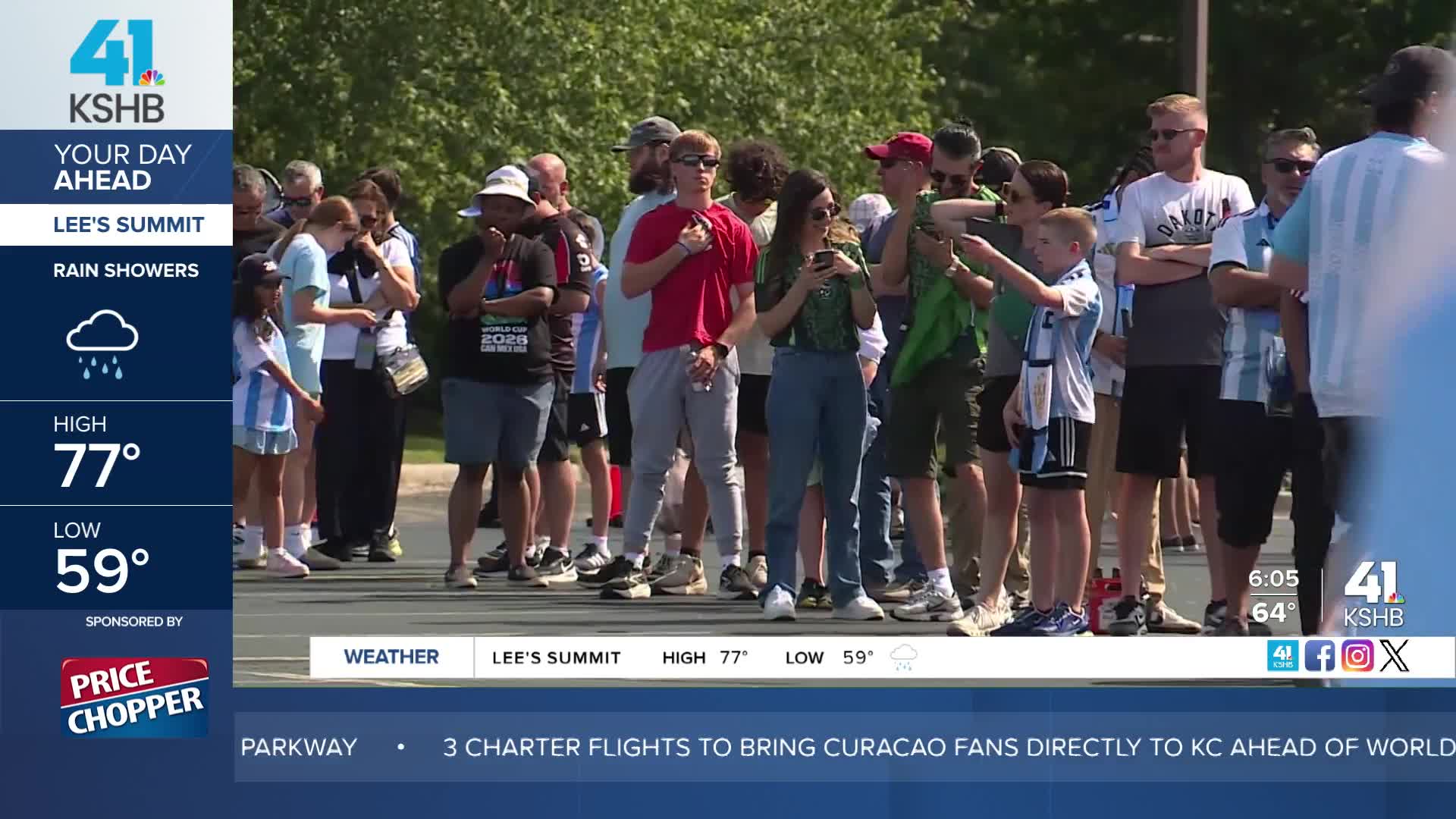
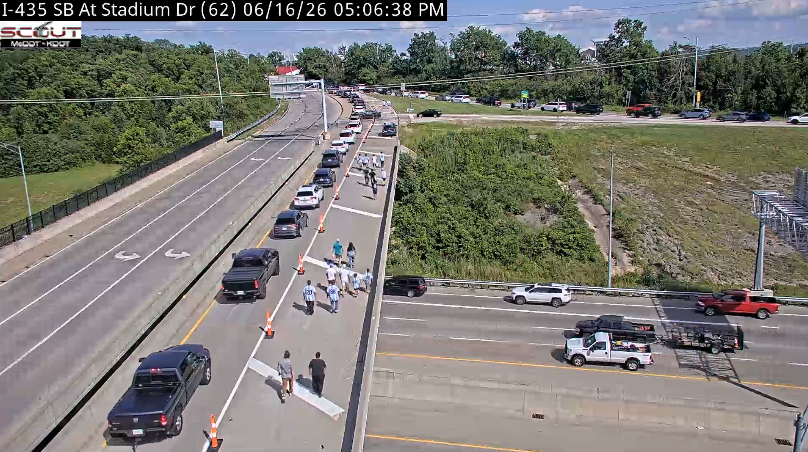
The city hosted its first FIFA World Cup 2026 match Tuesday, but for many fans, getting to the stadium proved to be an issue. Long lines, stalled traffic and even miles of walking became part of the experience for those heading to Kansas City Stadium (GEHA Field at Arrowhead Stadium).
Michael Dixon, an avid World Cup fan who has attended tournaments in Brazil and Qatar, traveled to Kansas City for the first time to watch the historic match between defending champions Argentina and Algeria. But Dixon said transportation issues marred the experience.
“The traffic management was the big issue, in my opinion," he said. "There wasn’t a clear control of who was going where, and a clear path of buses, a clear path of cars, and then there were so many people walking."
Dixon purchased a ConnectKC26 Stadium Direct park-and-ride ticket. His departure point was Graceway Church, about three miles from the stadium. While he was scheduled to leave at 5:30 p.m., Dixon and his family waited hours, boarding a bus around 7 p.m. and arriving at their seats about 7:30 p.m.

“We planned to get there early enough to do events and see the outside festivities, but it was very, very slow,” Dixon said.
He wasn’t alone. Gordon Wilson, a rideshare driver for Uber, said traffic delays meant he was only able to complete two trips to the stadium, far fewer than expected.
“I thought, great, as an Uber driver, this is gonna be awesome, I’m gonna make loads of money,” Wilson said. “It just didn’t happen. I normally make roughly $200 a day, and I thought I’d probably double that for a World Cup game, but I didn’t come close.”

Wilson explained the backup has him questioning whether rideshare drivers will continue providing service during the tournament.
“I’ll try again. If it’s as bad, then I’ll just stop giving rides to the stadium, which is bad because I want people to enjoy it and go to the game," Wilson said. "But if it’s not worth my time, then I just won’t do it."
In a statement Wednesday, KC2026 said delays and frustration were due to “operational constraints” that “created congestion that affected all modes of transportation arriving at the venue.”

The office of Mayor Lucas said the city will continue working with World Cup partners to ensure a smooth experience for fans.
“While we’re proud of all the successes Kansas City had yesterday during a global showcase for our community, the city will over the days ahead continue to work with our local organizing committee, KC2026, other regional agencies, and FIFA — our stadium and Truman Sports Complex manager during the World Cup to ensure commute times and entry and exit points are safe, efficient, clearly marked, and reliable for future matches via any method of transportation,” Lucas’ statement read.
—

![020626_KSHB_Image_NXA_Web_Standard Cube[88].jpg](https://ewscripps.brightspotcdn.com/dims4/default/0ead409/2147483647/strip/true/crop/300x225+0+13/resize/960x720!/format/webp/quality/90/?url=http%3A%2F%2Fewscripps-brightspot.s3.amazonaws.com%2F8f%2F6c%2Ffad8bd2346c5a4d4ead793017d4a%2F020626-kshb-image-nxa-web-standard-cube88.jpg)