



JOHNSON COUNTY, Kan. — KSHB 41 reporter Olivia Acree covers portions of Johnson County, Kansas, including Olathe and Lenexa. She will continue to follow up on declining enrollment and school funding. If you have thoughts or concerns about your own school district, please reach out. Share your story idea with Olivia.
—
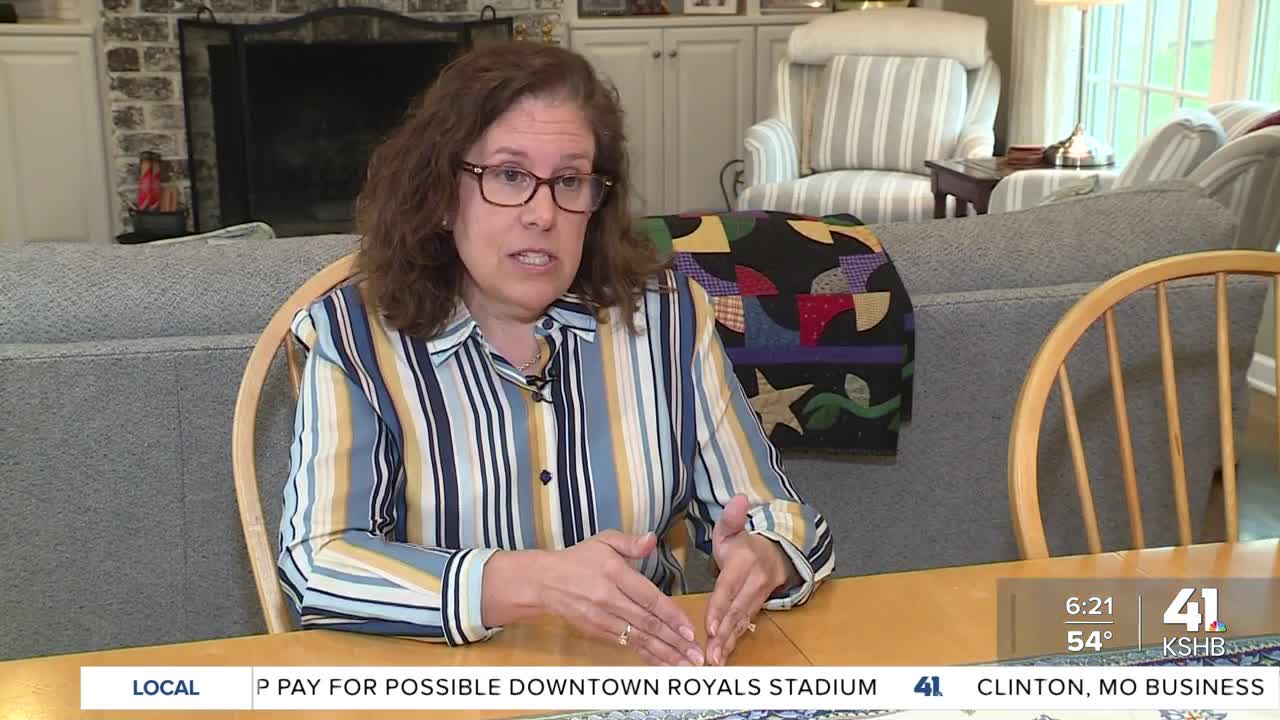
Johnson County parents and school administrators are noticing changes in classrooms due to mounting budget pressures, resulting in fewer resources and reduced programming. A Blue Valley parent said families are feeling the impact.
"There are decisions that are being made that are going to take things away from the reason that we came to Blue Valley," Kate Blythe said.
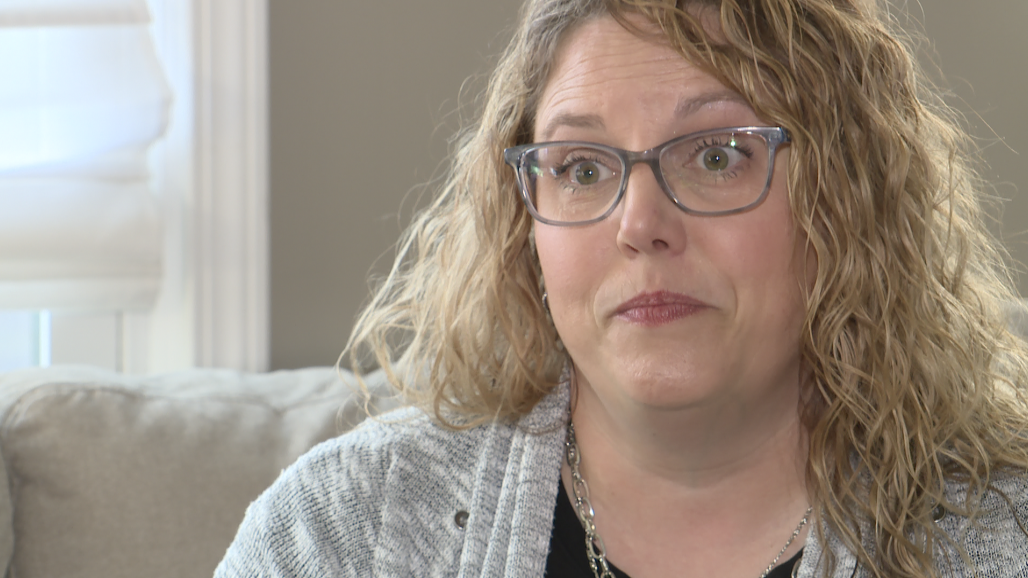
Superintendents across the area say the financial strain is limiting their options. Shawnee Mission School District Superintendent Mike Schumacher explained the challenges.
"It is having an impact on the programs that we can put into place, how we can compensate our teachers," Schumacher said.
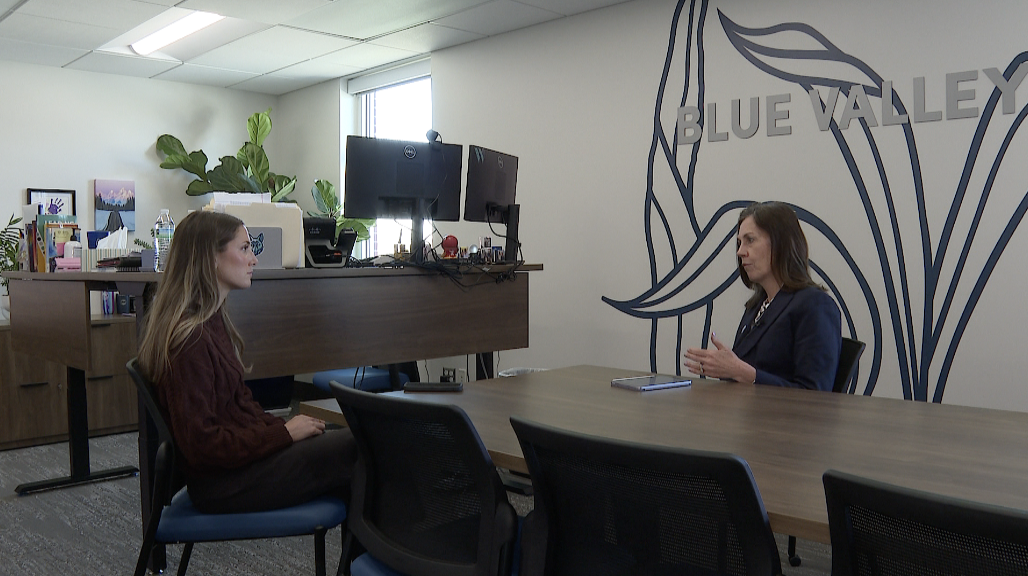
Blue Valley Schools Superintendent Dr. Gillian Chapman echoed those concerns.
"The only options that we have are to reduce programming," Chapman said.
A large piece of the budget pressures stem from how schools are funded and where state contributions are falling short. School budgets are broken down into four main buckets: school bonds, local operating budgets, state general funds, and state special education funds.
There are limits to what each of those budgets can pay for. For example, school bonds can pay for new buildings, but they cannot be used for special education or teacher salaries. State special education funding is supposed to pay for special education. However, because the state is not meeting its obligation, districts are forced to use their general funds to cover the costs.
Judith Deedy, the executive director of Game On for Kansas Schools, told me districts are legally required to provide special education services, yet they cannot raise additional revenue like a business.
"Schools are not like a regular business. They can't just raise their prices. They can't go find other sources of revenue, whereas the state is where the revenue comes from," Deedy said.

In 2017, the Kansas Supreme Court ruled in the case Gannon v. Kansas that the state was required to restore school funding to roughly 2009 levels plus inflation. Lawmakers have met that obligation, often publicly stating they are fully funding education. However, that court case did not include special education.
"Our local districts can't say 'We can't afford that. We're not going to fund our special education obligations.' So what they have to do is they have to take money from the general education budget and slide that over to backfill the special education shortfall," Deedy said.
The state is supposed to pay public school districts back for 92% of excess special education costs. The state has not met that percentage since 2011.
"We're just seeing pressures from multiple different sides all coming in on the system, and the state needs to step up and do their job," said Deedy.
The current school funding formula will sunset in 2027. Then, the Kansas legislature could renew it or write a new school finance formula. Public education platforms will be a key issue for Kansans to pay attention to during the 2026 elections, especially for the State House and governor races.
This story was reported on-air by a journalist and has been converted to this platform with the assistance of AI. Our editorial team verifies all reporting on all platforms for fairness and accuracy.
—
![092126_KSHB_WX_480x360[61].jpg](https://ewscripps.brightspotcdn.com/dims4/default/79e7fad/2147483647/strip/true/crop/480x360+0+0/resize/960x720!/format/webp/quality/90/?url=http%3A%2F%2Fewscripps-brightspot.s3.amazonaws.com%2F6f%2F6d%2Fa3758caf4c0984b0ecf100f620d1%2F092126-kshb-wx-480x36061.jpg)