

DE SOTO, Kan. — KSHB 41 reporter Olivia Acree covers portions of Johnson County, Kansas, including Olathe and Lenexa. Share your story idea with Olivia.
—
While many school districts in Johnson County are grappling with declining enrollment and tightening budgets, one district is heading in the opposite direction.
Unified School District 232 — which serves parts of De Soto, Shawnee, Lenexa and Olathe — is projecting steady growth in student enrollment over the next five years. The district estimates elementary school enrollment could increase by more than 5%, and high school enrollment by about 7%.
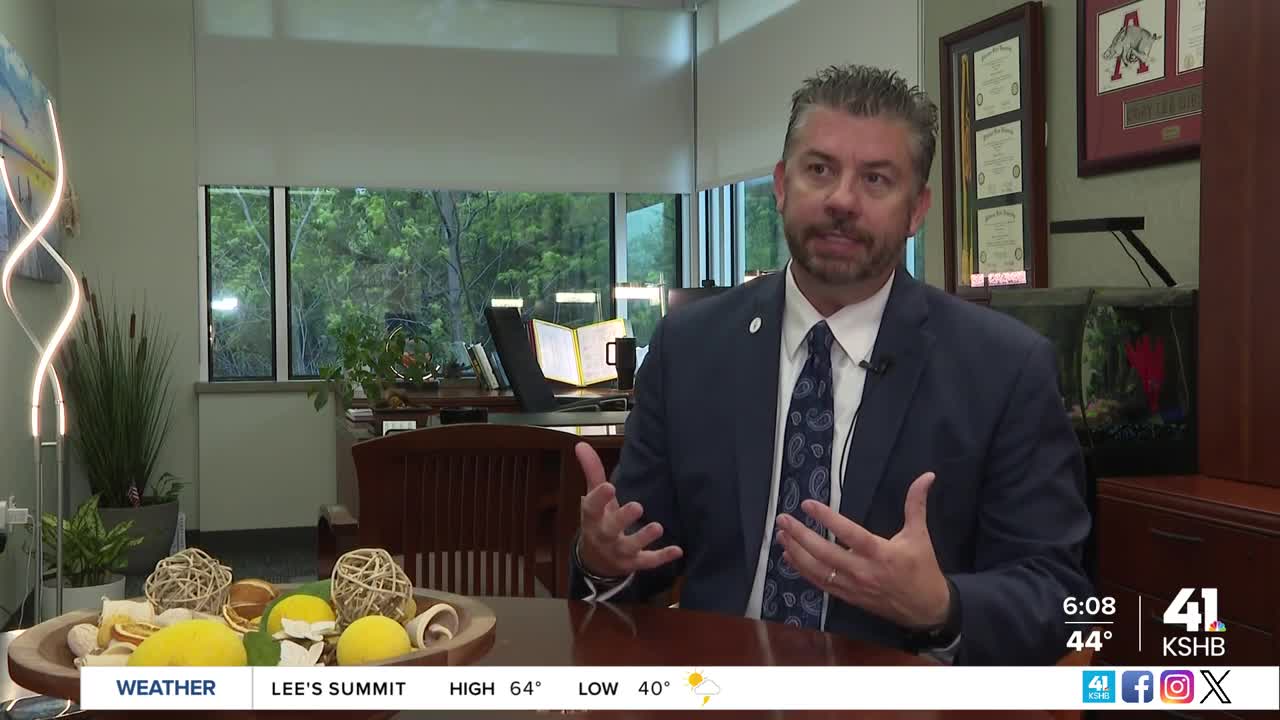
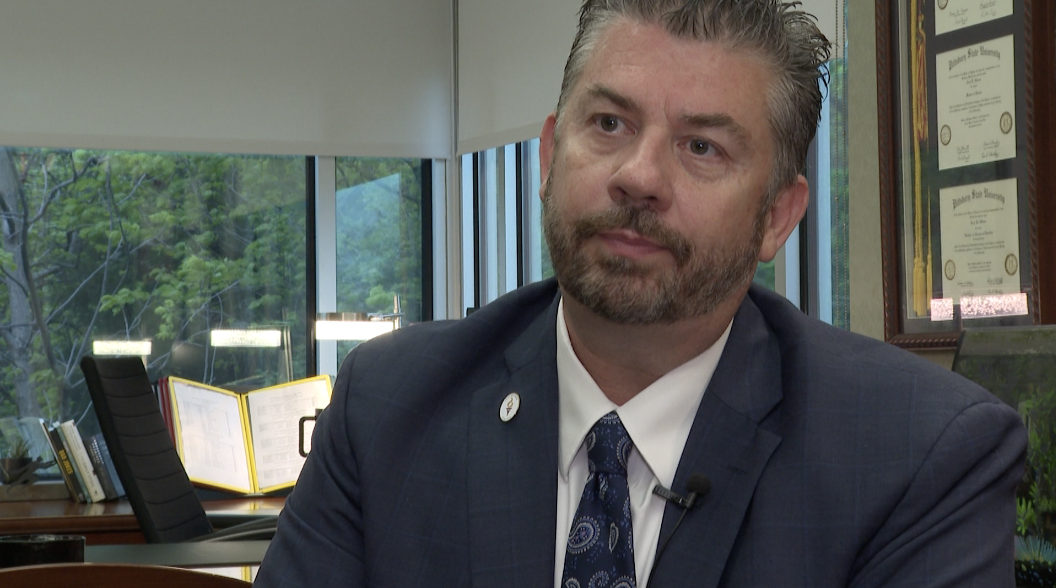
“We are an anomaly,” said USD 232 Superintendent Cory Gibson. “It is forecasted within the next five years, we will hit an all-time high of the number of enrolled students in our district.”
Across Johnson County, lower birth rates have contributed to shrinking kindergarten classes, a trend USD 232 is also experiencing. However, the district is seeing growth in upper grades.
“Housing costs are a little bit greater in our district, as they are throughout Johnson County,” Gibson said. “And sometimes those younger families maybe have a starter home elsewhere.”
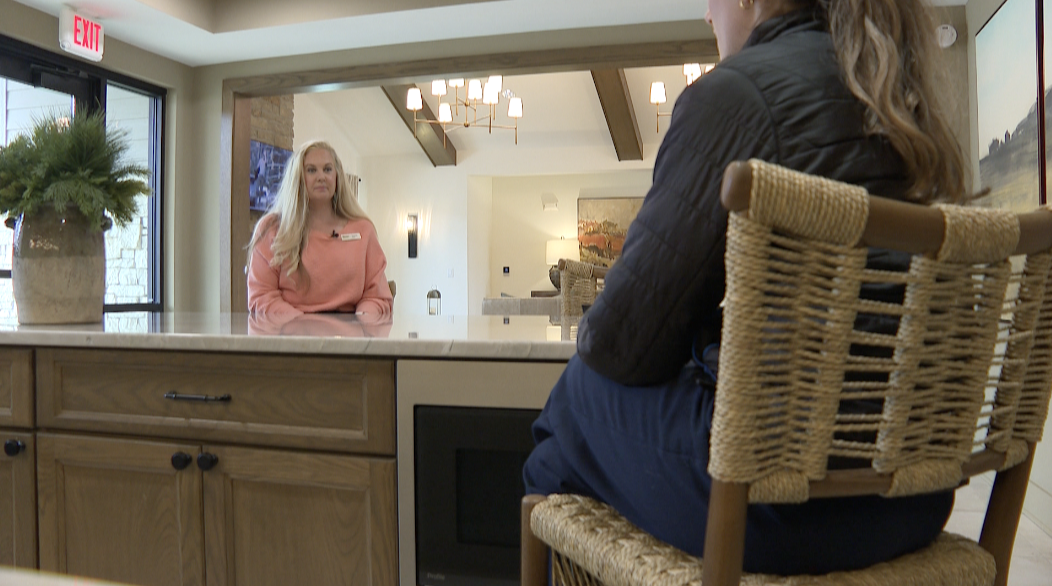
Sherelle Witt, a De Soto parent and real estate agent, said she has seen that, too.
“I think it’s families, maybe in grade school, middle school, high school, where it’s not their first home,” Witt said. “Maybe it’s their second home, where they’re making that jump.”
Economic development is also playing a big role. More families are being drawn to the area because of large-scale projects, including the Panasonic EV battery plant that opened last summer, as well as plenty of land and new housing in De Soto and Lenexa.

“Different than maybe some of the other districts in Johnson County, people are seeing the green space available within our district,” Gibson said. “And that’s why developers are looking for this area.”
De Soto alone could see as many as 6,300 new housing units built over the next decade. While the exact price points and the type of housing are still uncertain, Witt says it’s possible to keep costs down on new builds.
“It tends to be a little bit less expensive,” she said. “I know that the city tries to do their best to keep that low, so then the house can also be priced lower for people.”
The district hopes housing will translate into more students, which means more funding from the state.
“Part of it, honestly, is just fiscal,” Gibson said. “The more students you have, the more fiscal support you get from the state.”
Still, rising enrollment does not fully resolve the district’s financial challenges. Like other districts in Kansas, USD 232 continues to face a shortfall in special education funding. The state has not met its required reimbursement levels since 2011, forcing districts to cover the gap.
This year, USD 232 transferred about $4 million from its general fund to pay for special education services.
—