




KANSAS CITY, Mo. — KSHB 41 reporter Rachel Henderson covers neighborhoods in Wyandotte and Leavenworth counties. Share your story idea with Rachel.
—
The Kansas Court of Appeals released an opinion Friday morning ruling the district court's decision to grant Leavenwoth a temporary injunction blocking an ICE detention center from opening in the city was appropriate.
The case is over a longstanding dispute between the City of Leavenworth and CoreCivic, a private prison company that wants to open an ICE detention center in Leavenworth.
The dispute centers around a disagreement over whether CoreCivic needs a special use permit to open.
The city argues CoreCivic discontinued its use as a prison when it stopped housing inmates in 2022. CoreCivic argues it never shuttered the facility, despite not housing inmates.
The City of Leavenworth filed the corresponding district court lawsuit against CoreCivic with the state in March 2025. This was after initially filing a federal case that a judge dismissed.
In the state case, the city asked the court to issue a temporary injunction, saying that CoreCivic cannot open until that order is lifted.
The judge issued a temporary restraining order in June 2025 preventing CoreCivic from operating unless it obtained a special use permit, or until the judge reached a final decision.
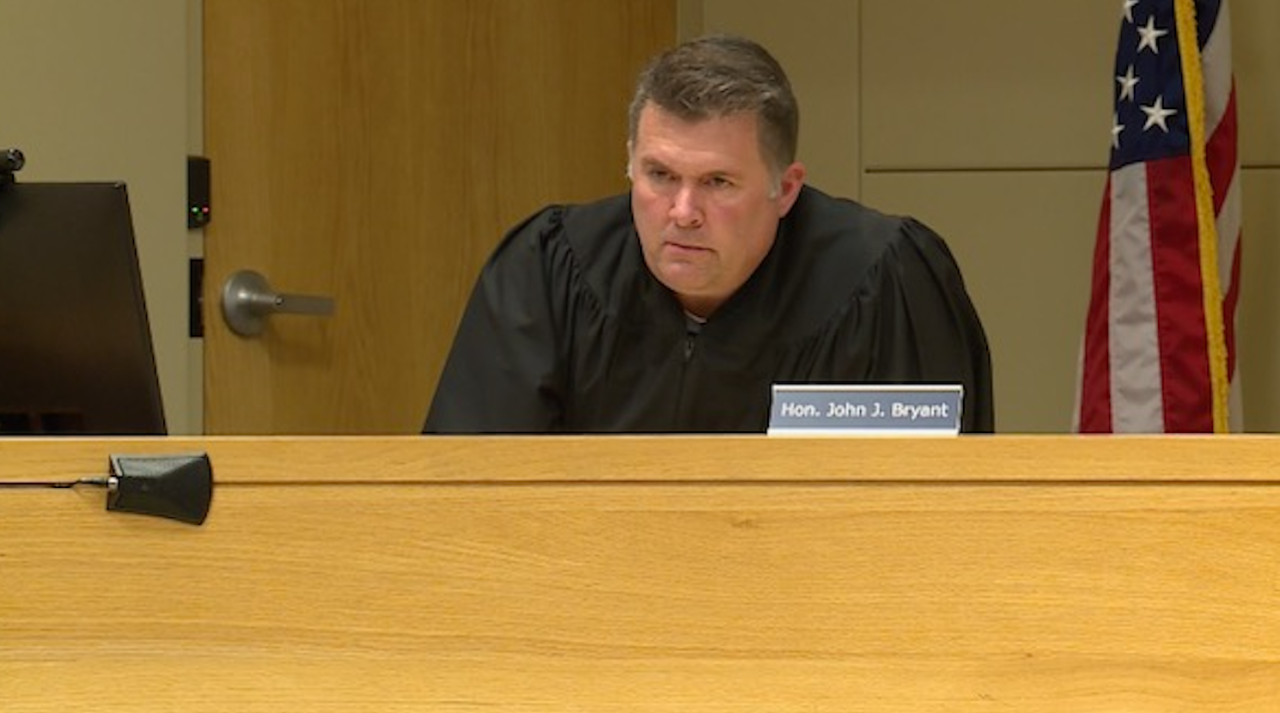
CoreCivic decided to appeal the judge’s ruling to grant a temporary injunction, which then put it in the hands of the court of appeals. The court heard oral arguments from both parties on Feb. 10.
The court says it determined that the city met its burden of showing the necessary factors to obtain temporary injunctive relief.
“We are pleased by the court’s decision, and that it supports the positions the City has taken on this matter since the very beginning,” City of Leavenworth Attorney David Waters said.
In its summary, it added that the temporary injunction does not represent a final outcome, rather it should be taken as the status quo until a full decision is made.
KSHB 41 also reached out to CoreCivic for comment on Friday's decision.
"CoreCivic remains firmly committed to operating a safe, transparent and accountable facility at our Midwest Regional Reception Center (MRRC) in Leavenworth," Senior Director of Public Affairs Ryan Gustin said. "While we maintain our legal position related to the need for a special use permit (SUP), we have been and will continue working collaboratively with city staff to address concerns raised by the community as part of the SUP process, and we are grateful for that collaboration. This collaboration has resulted in both a staff recommendation for approval of our SUP application, as well as an affirmative vote from the Planning Commission."
"We remain grateful to the local residents, business owners, and our dedicated MRRC staff members who have expressed their support for this facility and the many benefits it will bring to Leavenworth and the surrounding communities," Gustin said.
The legal process is happening simultaneously with the city’s local permitting process.
In December 2025, CoreCivic filed its second application for a special use permit, months after withdrawing its first application, arguing it didn’t need one.
This move came shortly after a federal judge dismissed CoreCivic's lawsuit it filed against Leavenworth.
The city’s process requires applications to go before the city planning commission and the full city commission for a first and second consideration.
The commission voted 4-1 to advance the issue to a second consideration, where the commission will vote on whether to grant CoreCivic a special use permit on March 10.
For some Leavenworth residents, the ruling brings mixed emotions.

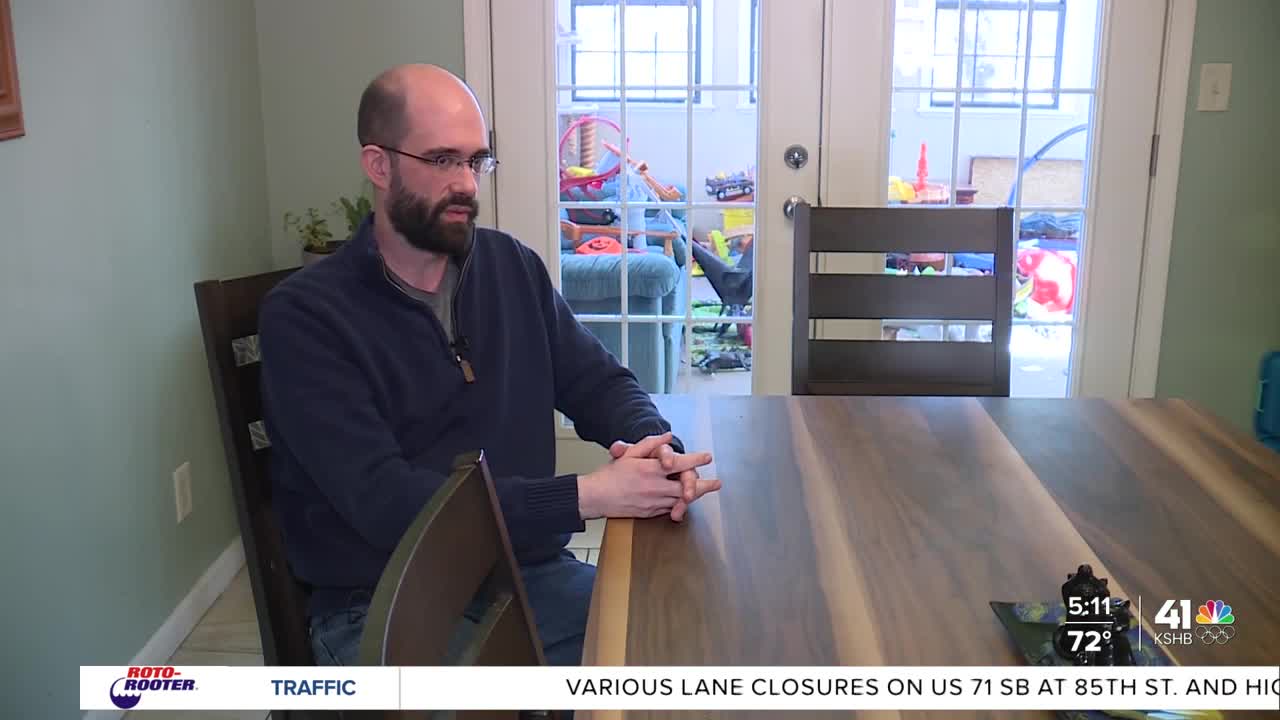
Dan McIntosh, a Leavenworth resident who opposes the detention center, described the ruling as "minorly celebratory, but still very concerned."
He says he's grappling with a wave of emotions.
"The empathy that I feel for others, the dread of what could come, and the weight of the responsibility….that I have for those less fortunate than myself to stand up for their causes," McIntosh said.
He acknowledged the economic argument — CoreCivic has promised to bring approximately 300 new jobs to the area — but questioned the true cost.
"Without even getting into the human and moral costs, what economic costs are we bringing those jobs into town?" McIntosh said.
McIntosh also cautioned that the ruling does not mean the fight is over.
"Even if the permitting process ends on March 10, it will not be over," McIntosh said.
Amy Cawvey, a resident of nearby Lansing, sees it differently.
She said the region's tax burden makes CoreCivic's potential contribution to the tax base difficult to ignore.
"I think what we really need to look at is the tax base and the jobs," Cawvey said. "In Leavenworth, we are one of the highest taxing entities as far as the percentage increase in the last five years."

She also pointed to the facility's current vacancy as a reason to move forward.
"We have an empty building sitting there with nothing coming in," Cawvey said.
While Cawvey said CoreCivic should be held to a high standard going forward, she does not believe the company's past should disqualify it.
"We can't hold them accountable for actions taken in the past. We can only hold them accountable for the future," Cawvey said. "We should give them a chance, we should scrutinize them, there should be checks."
The final decision now rests in the city's hands, and both McIntosh and Cawvey await the March 10 date.
—

![092126_KSHB_WX_480x360[61].jpg](https://ewscripps.brightspotcdn.com/dims4/default/79e7fad/2147483647/strip/true/crop/480x360+0+0/resize/960x720!/format/webp/quality/90/?url=http%3A%2F%2Fewscripps-brightspot.s3.amazonaws.com%2F6f%2F6d%2Fa3758caf4c0984b0ecf100f620d1%2F092126-kshb-wx-480x36061.jpg)